エピソード

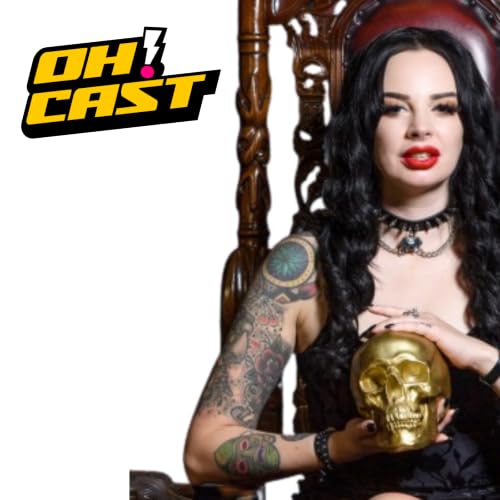
  • Remi Gone Rogue on Strongman to Wrestling. Chaos. Character. Conditioning.
    2026/09/01

    Remi Gone Rogue returns to OHCAST for a wild and honest look at the chaos. craft. and character of indie wrestling. From her years in Strongman to stepping into the ring. Remi breaks down the reality of learning to bump. reading an opponent. building a persona. and surviving the grind of weekly shows. She talks about the transition from lifting cars and atlas stones to taking falls. protecting her neck. and finding her voice in front of a crowd.

    We get into conditioning. injuries. stingers. Muay Thai. the mental shift from competition to performance. and the pressure of keeping up with younger high flyers. Remi shares stories from Carolina Wrestling Academy. her training under Steve and Colby Carino. and the push that got her through the hardest year of her athletic life.

    This is a raw. funny. and very real conversation about what it takes to enter wrestling from a completely different world. The pain. the pride. the fear. the fight. The Hammerlock is back. and Remi brings the fire.

    続きを読む 一部表示
    53 分
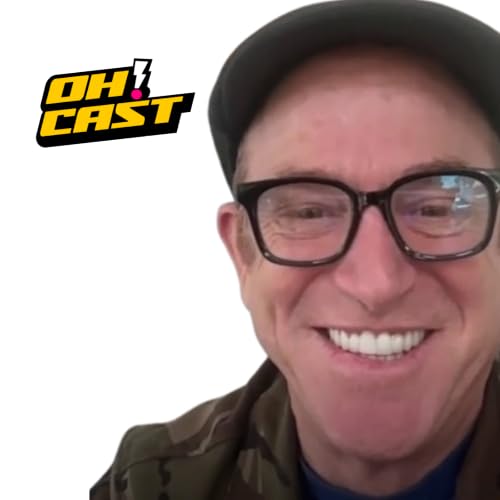
  • Brent Forrester on The Simpsons, The Office and the Craft of Comedy Writing
    2026/08/28

    Brent Forrester joins OH!CAST for a deep‑dive into the craft of comedy writing across some of the most iconic cult and retro media ever made — The Simpsons, King of the Hill, and The Office. In one of our strongest geek culture interviews to date, Brent breaks down how great comedy is built, why “silly isn’t funny,” and how discomfort, naturalism, and character conflict shape unforgettable stories.

    We explore Brent’s early career, his mentorship under Susan Harris (Golden Girls, Soap), and the three rules of comedy writing that changed his life. He takes us inside the legendary Simpsons writers’ room, the creation of Cletus, the structure behind Lemon of Troy, and how the American version of The Office found its warmer, more natural comedic voice.

    If you love retro media, cult TV, animation history, or the craft behind great comedy, this episode is packed with insight, storytelling, and behind‑the‑scenes moments from one of the most influential writers in modern television.

    Featuring:
    – The Simpsons (Season 5–8 era)
    – King of the Hill
    – The Office (US)
    – Comedy writing craft
    – Geek culture & retro media deep‑dives
    – Behind‑the‑scenes stories from classic TV

    OH!CAST — your island gateway to all things geek.

    続きを読む 一部表示
    1 時間 11 分
  • Nick Vince on Hellraiser, Clive Barker & Becoming Chatterer | Geek Culture Interview
    2026/08/21

    Nick Vince returns to OH!CAST for a deep‑dive conversation into one of horror’s most iconic transformations — his journey from school plays to becoming Chatterer in Clive Barker’s Hellraiser. This long‑form geek culture interview explores the origins of his acting career, his early collaborations with Clive Barker, and the creative chaos behind one of cinema’s most unforgettable monsters.

    Vince shares vivid memories of meeting Barker in London’s fringe theatre scene, modelling for him during the creation of Books of Blood, and discovering how Barker’s intelligence, generosity, and environmental passions shaped their conversations and creative work. He recounts the moment Barker called with the now‑legendary understatement: “There is some makeup involved.”

    This episode digs into the physical and emotional reality of becoming Chatterer — from facial reconstructive surgery informing the character’s design, to the extreme limitations of the prosthetics that forced Vince into a uniquely restrained, unsettling performance. He explains how the teeth were constructed, how the mask was glued and sealed, why KY jelly was involved, and how the lack of sight, hearing, and mobility shaped every movement on set.

    We explore the dynamics between the Cenobites, the surprising lack of rehearsal, the technical choreography required to hit marks while nearly blind, and the camaraderie between the actors and Image Animation’s makeup team. Vince also shares rare behind‑the‑scenes stories: the infamous duck pond at Production Village, the rumoured “Cenobite Rap,” and the moment a schoolchild accidentally witnessed Pinhead stepping off a bus.

    Along the way, Vince offers thoughtful insight into cult media, the psychology of Hellraiser, Julia’s true role as the film’s protagonist, and why so many women identify strongly with the story’s themes of agency, desire, and transformation.

    This conversation is a must‑listen for fans of retro media, science fiction fandom, and anyone fascinated by the craft behind practical effects and performance under extreme conditions. A rich, character‑driven interview that reveals the humanity behind the horror.

    Keywords: geek culture interviews, cult media, retro media, Hellraiser, Clive Barker, Chatterer, Cenobites, horror filmmaking, practical effects, science fiction fandom, wrestling podcast adjacent audience crossover.

    続きを読む 一部表示
    1 時間 13 分
  • SOS - Indie Wrestling, Identity, Representation & Building a Multi‑Persona Gimmick
    2026/08/18

    Hammerlock returns with another deep dive into the world of indie wrestling — and tonight we’re joined by the incredible SOS, one of the most compelling performers rising out of the Arizona Wrestling Federation. In this episode, SOS takes us through her journey from childhood fandom to becoming a decade‑long veteran of the independent scene, shaped by family, art, identity, and a multi‑persona character unlike anything else in wrestling today.


    Growing up with a father who was an avid wrestling fan, SOS was introduced early to WWE, live events, and the spectacle of the Rumble and Raw. But it wasn’t until discovering the indie scene — the hidden world beyond mainstream wrestling — that she realised there was space for someone like her. As a bigger woman and a woman of colour, the divas era didn’t reflect her. The independents did. Seeing wrestlers who looked like her, moved like her, and fought like her opened the door to possibility.


    SOS talks candidly about mental health, family struggles, and how wrestling became both escape and purpose. Art was her first outlet, but wrestling became the place where she could channel emotion, identity, and creativity. She explains how the NXT black‑and‑gold era and the Four Horsewomen reignited her ambition, eventually leading her to Arizona, where she found a school, a community, and her future.


    One of the most fascinating parts of SOS’s story is the creation of her gimmick — a split‑personality character inspired by Split and grounded in real research into dissociative identity disorder. She breaks down the three personas: Skye, the aggressive protector; Olivia, the sweet inner child; and Storm, the quiet, explosive force. SOS explains how she built each personality with care, ensuring the portrayal was respectful, layered, and never offensive. Fans now recognise her switches through posture, facial expression, and subtle in‑ring cues — a testament to her craft.


    We explore the physical and emotional demands of indie wrestling: training, gym work, travel, merch, production, and the constant grind that makes wrestling a second full‑time job. SOS shares how injury tested her resolve, how returning after six months proved her passion, and how she now trains new wrestlers while carving her own path.


    We also dive into representation, inspiration, and the power of seeing yourself reflected in the ring. From Awesome Kong to Jazz and Jacqueline, SOS discusses how visibility shaped her journey — and how she now inspires trainees, fans, and kids who see her as proof that wrestling has room for everyone.


    Finally, we talk about the wider world of wrestling as performance art — stunt work, improvisation, acting, storytelling, production, commentary, graphics, and community building. SOS echoes the ethos shared by many indie promoters: wrestling has a place for every skill, every background, every passion.

    This is a powerful, honest, and inspiring conversation with a wrestler who embodies the heart of the indie scene. Whether you’re a long‑time fan or returning to wrestling after years away, SOS reminds us why this world matters — and why it continues to change lives.

    Hammerlock. Indie wrestling. Identity. Representation. Craft. Passion. This is SOS.

    続きを読む 一部表示
    56 分
  • Not a Band: The Cult Theme‑Tune Phenomenon — Retro Media, TV Nostalgia & Live Comedy
    2026/08/14

    In this episode of OH!CAST, Cal sits down with the chaotic, hilarious, and absolutely not a bandNot a Band — the UK’s cult theme‑tune performance group who have somehow become one of the most entertaining acts on the retro‑media circuit. What started as a casual jam session under strict instructions that they were “definitely not forming a band” spiralled into a full‑blown live act built on TV nostalgia, comedy, and the collective power of four men who insist they are not musicians… despite performing to thousands.

    Across this conversation, Matt, Jay, Oli and Alex break down how their accidental project evolved into a ninety‑minute nostalgia show packed with iconic TV themes, game‑show medleys, cartoon classics, and even a Hans Zimmer composition. From Baywatch, Gladiators, Knight Rider, Red Dwarf, Home and Away, Blockbusters, Fun House, Going for Gold, Ghostbusters, Karate Kid, Thundercats, and more — the band explain how they choose their setlist, why certain tunes work live, and how obscure tracks like Zenon 2 can explode online but leave live audiences confused.

    The group dive into the lost art of TV theme composition, celebrating the genius of 70s and 80s library music, orchestral arrangements, and the composers who shaped childhoods. They talk about why modern shows abandoned singable themes, how nostalgia drives audience interaction, and why people constantly shout requests at them mid‑gig. They also reveal the surprising vocal challenges behind performing songs originally sung by Jimmy Jamison, how they divide lead vocals, and how they solved the one impossible high note with a “seamless trick” you’ll only understand if you see them live.

    There’s plenty of behind‑the‑scenes chaos too: playing Baywatch in the rain at festivals, debuting pyro in a sauna‑like Brighton venue, nearly passing out in dad jumpers, the cult of the short shorts, the smell of party poppers, and the strange joy of handing out Ferrero Rocher at intimate gigs. They discuss the comedy evolution of their show, how every song now needs a narrative or joke to justify its place, and why building a setlist is harder than people think — especially when you need to follow Gladiators with something that doesn’t destroy the pacing.

    This episode is a celebration of retro media, cult TV, geek culture, and the strange, wonderful world of theme‑tune fandom. If you grew up on 80s and 90s television, if you love nostalgia‑driven comedy, or if you’ve ever shouted “Dogtanian!” at a band, this is your episode.

    Not a Band aren’t just performers — they’re curators of shared memory, champions of forgotten theme tunes, and proof that sometimes the best projects happen entirely by accident.

    続きを読む 一部表示
    1 時間 23 分
  • Horror Psychology Deep Dive with Katie Evans — Fear, Trauma & Slasher Mythology
    2026/08/07

    Katie Evans returns to OH!CAST for a sequel worthy of the genre she loves. A practicing psychotherapist, lifelong horror fan, and one of our most requested guests, Katie dives deep into the psychology of fear, trauma, monsters, and why horror has always been part of human storytelling. From VHS shop nostalgia to Jungian archetypes, from forbidden sleepover rentals to the queer-coded legacy of Hellraiser, this conversation explores horror not just as entertainment, but as a mirror to our inner worlds.

    We talk about how early experiences shape our relationship with fear, why some families treat horror as taboo, and how discovering films like Aliens, Lost Boys, and Halloween becomes a rite of passage. Katie breaks down “recreational fear,” the catharsis of controlled terror, and how horror lets us confront anxiety, trauma, and the darker parts of ourselves in a safe, contained way. She explains how Freud, Jung, and modern psychotherapy all intersect with slashers, monsters, and dream imagery — especially when discussing icons like Jason Voorhees, Michael Myers, Leatherface, and Freddy Krueger.

    We explore the evolution of horror across decades: folklore vampires, penny dreadfuls, early monster cinema, censorship eras, the Video Nasties panic, and how each generation’s fears shape the stories they tell. Katie examines the slasher boom of the 80s — the debates around misogyny, the rise of the Final Girl, and how characters like Nancy Thompson and Ellen Ripley became feminist icons long before mainstream media caught up. We dig into the psychosexual symbolism of weapons, the fear of vulnerability, and how films like A Nightmare on Elm Street tap directly into universal dream terrors.

    Katie also shares her personal connection to horror as a therapeutic tool, from processing relational trauma through films like The Invisible Man to understanding how monsters represent the parts of ourselves we struggle to face. We discuss queer readings of classic horror, the leather‑scene influence on Hellraiser, Clive Barker’s subversive artistry, and how horror has always been a space for outsiders, rebels, and people who feel “other.”

    From VHS artwork to Cenobites, from punk vampires to dream demons, this episode is a full‑spectrum exploration of horror’s psychological power, cultural history, and emotional impact. Whether you’re a lifelong fan or a curious newcomer, Katie’s insight reveals why horror endures — and why facing fear can be one of the most human things we do.

    Featuring:
    • Horror psychology & recreational fear
    • Trauma, catharsis, and controlled terror
    • Slasher archetypes & Final Girl theory
    • Queer coding in horror & Hellraiser’s legacy
    • Dream imagery, Freddy Krueger, and vulnerability
    • Video Nasties, censorship, and 80s horror culture
    • Vampires, folklore, and monster mythology
    • Ripley, Nancy, and feminist readings of horror

    続きを読む 一部表示
    1 時間 11 分
  • Sci Fidleity Side B: Cult Media & Sci‑Fi Fandom: An Interview with Cal
    2026/08/01

    This week on OH!CAST, we dive deep into cult media, retro 90s nostalgia, and the messy, brilliant journey of growing up geek in a decade that shaped an entire generation. In this long‑form conversation, Cal joins us for a wide‑ranging interview that moves between Therapy?, Britpop, Alien 3, Channel 4’s 625 Live, student‑union chaos, toxic masculinity, and the strange ways music becomes the emotional map of your life.

    Cal talks about discovering Therapy? at exactly the right moment, falling in love with the Infernal Love era, and realising how the band’s refusal to “go big” became a defining statement. We explore the Fife Ewing trilogy, the bleak brilliance of Infernal Love, and how a VHS recording of a Channel 4 gig became the spark that turned a casual listener into a lifelong fan. It’s a story rooted in cult media culture, where the right album at the right age becomes a permanent part of who you are.

    From there, the conversation widens into the world of Britpop, 90s alternative culture, and the strange contradictions of the era. Cal reflects on Pulp, Blur, Oasis, and the darker side of the scene — the pressure, the misogyny, the media narratives, and the artists who refused to play along. We talk about Jarvis Cocker, the rise and fall of Britpop, and how certain albums — This Is Hardcore, Ladies and Gentlemen We Are Floating in Space, Be Here Now — became cultural turning points for better or worse.

    The episode also dives into science fiction fandom, especially Cal’s defence of Alien 3, David Fincher’s early work, and the way certain films get rejected only to be rediscovered years later. It’s a conversation about loving things that weren’t cool to love, and how that shapes your identity long before the internet made niche fandoms mainstream.

    Along the way, Cal shares vivid memories of growing up in the Hebrides: hot summers, swimming every night, long walks home, staying up all night talking nonsense with mates, and the fleeting feeling that life would always be like this. We talk about student‑union nights, Byres Road pubs, the infamous Scooby Snack, absinthe limits, and the chaotic joy of being young in Glasgow in the 90s.

    The interview also takes a thoughtful turn into masculinity, identity, and the moment Cal realised he didn’t need to perform the “metal‑guy” persona anymore. A single music video — Melanie C & Bryan Adams’ “When You’re Gone” — becomes the catalyst for questioning the toxic expectations placed on young men. It’s honest, funny, and unexpectedly moving.

    We close with reflections on education, work, burnout, and the long road to finding a job that actually feels meaningful. Cal talks about studying electronics, working abroad, chasing wages, changing careers, and eventually finding a role that lets him help people every day. It’s a reminder that life doesn’t follow a straight line, and that you “get what you give” — sometimes years later.

    This is an episode for fans of cult media, retro culture, geek interviews, sci‑fi fandom, and anyone who grew up in the 90s with music as their emotional compass. It’s nostalgic, funny, thoughtful, and packed with stories that will resonate with anyone who ever found themselves through the albums, films, and scenes that shaped them.

    続きを読む 一部表示
    1 時間 21 分
  • Sci‑Fidelity Side A: Cal’s Life in 20 Songs — Iron Maiden, Grunge & Hebridean Snowstorms
    2026/07/31

    Side A of Sci‑Fidelity flips OH!CAST on its head as Cal finally takes the guest chair, opening up the first half of his life through the music that shaped him. Across ten tracks, this episode blends nostalgia, geek culture, Hebridean childhood memories, and the emotional beats behind the songs that carried him from early school days into his teens.

    We begin in the late 80s with Iron Maiden’s The Evil That Men Do, the first album that made Cal realise music could be more than noise. It’s a vivid memory: his brother’s cassette, the infamous Eddie poster his mum hated, and a summer spent travelling back and forth to his gran’s temporary council house while renovations were underway. Cal describes being left in a hired van, rewinding the tape again and again, discovering themes, stories, and the lush soundscape that Somewhere in Time created. It’s the moment music became a world.

    From there, we jump to the early 90s and the Friday Rock Show, where Soundgarden’s Outshined hit him like a freight train. He remembers hearing Chris Cornell’s voice for the first time, the raw emotion, the shift into grunge, and the feeling of being on the verge of his teens as new sounds arrived. While everyone around him was blasting rave and white lightning, Cal was quietly becoming a rock kid, discovering Pearl Jam, Soundgarden, and the early stirrings of a scene that would define a generation.

    Stone Temple Pilots follow, with Plush triggering memories of maths class tape swaps, Kerrang reviews, and long nights gaming on his beloved Amstrad. He talks Ocean Software, 8‑bit Batman, and the guests who later shaped OH!CAST — especially the “Scousers” who became some of the show’s most influential voices. It’s a snapshot of teenage life in the Hebrides: games, tapes, and the feeling of discovering something that wasn’t cool yet, but would become essential.

    Rage Against the Machine’s Killing in the Name marks the point where music and politics collided. Cal recalls the first election he truly remembers, the rise of Blair’s media‑slick New Labour, Britpop summers, and the strange way teenage rebellion attached itself to a song most adults still misunderstand. It’s a look at how politics shifted into image, how leaders became brands, and how music became part of that cultural moment.

    Then comes Meat Loaf’s I’d Do Anything for Love, tied to one of Cal’s most dramatic memories: the legendary Hebridean snowstorm. He describes Christmas Eve turning into a blizzard within minutes, his dad returning home “like a snowman,” the power going out for days, peat fires boiling water nonstop, and the whole family taking baths every few hours just to manage the heat. With only a few batteries left in his stereo, Meat Loaf became the soundtrack to a freezing, unforgettable holiday.

    Side A is a journey through childhood, early teens, and the songs that shaped Cal before adulthood. It’s Iron Maiden vans, grunge awakenings, Amstrad nights, political firsts, and snowstorms powered by Meat Loaf. It’s the story of how music becomes memory — and how memory becomes identity.

    Side B continues the journey soon, picking up where the teenage years left off and diving into the next ten songs that carried Cal into adulthood, creativity, and the birth of OH!CAST.

    続きを読む 一部表示
    1 時間 16 分