エピソード

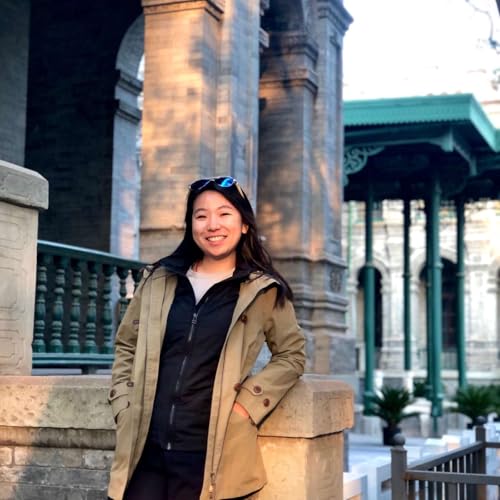
  • Third Culture Kid to Third Space Builder: Ruby Pak on Identity, Friction, and Designing Belonging in Shanghai
    2026/04/15
    In this episode, we sit down with Ruby Pak—hospitality entrepreneur and third-culture operator—to trace a life shaped by constant movement across systems, cities, and expectations.Ruby’s story begins in Hong Kong and stretches across Beijing, Vancouver, the UK, and now Shanghai—a trajectory that exposes the subtle frictions of growing up between cultures. From language barriers and social exclusion in school to the quiet recalibrations required in each new environment, her upbringing becomes less about belonging to a place and more about learning how to adapt without losing a sense of self.That tension carries into her early career, where she enters the world of luxury marketing only to confront the realities of office hierarchy, toxicity, and misalignment. What follows is not a clean pivot, but a gradual unraveling—one that leads her toward entrepreneurship in Shanghai’s hospitality and fitness scene. Through building Hasa House, Ruby begins to rethink what a “space” can be: not just a business, but an ecosystem for wellness, community, and self-reinvention.Along the way, we explore how cultural identity evolves across geographies, why career paths rarely move in straight lines, and how moments of discomfort—social, professional, or internal—can become catalysts for clarity. At its core, this conversation asks: What does it mean to build a life that feels coherent when your experiences are anything but?Key ThemesMulticultural upbringing across Hong Kong, Beijing, Canada, the UK, and ShanghaiIdentity formation under conditions of constant transitionLanguage, exclusion, and social integration in different school systemsCareer disillusionment and confronting workplace toxicityEntrepreneurship as a response to misalignmentBuilding hybrid spaces that blend hospitality, fitness, and wellnessResilience, self-awareness, and redefining success on personal termsKey TakeawaysGrowing up across multiple cultures can sharpen adaptability, but often complicates a stable sense of identity.Experiences of exclusion—especially through language—leave lasting imprints on confidence and belonging.Early career environments can reveal misalignment more clearly than they provide direction.Leaving a toxic workplace is often less about escape and more about reclaiming agency.Entrepreneurship is frequently born from frustration with existing systems rather than pure ambition.Physical and social spaces can be intentionally designed to support both individual and collective well-being.Clarity around one’s values tends to emerge gradually, often through periods of discomfort and transition.Chapters00:00 Exploring Liminal Spaces in Identity and Culture00:49 Meet Ruby Pak: From Tradition to Reinvention02:39 Growing Up Between Cities: Hong Kong and Beijing05:26 Cultural Shock and Early Adaptation09:06 Language, Exclusion, and School Life12:50 Structure, Conformity, and Education Systems15:31 Moving to Canada: A New Cultural Lens18:17 Fitting In vs. Standing Apart22:57 Navigating the Canadian Education System26:59 College Decisions and Identity Formation31:23 Reflections on University and Early Ambitions35:57 Time in the UK and Career Direction40:23 Entering the Professional World44:49 Workplace Challenges and Personal Growth48:01 Choosing People Over Prestige55:18 Building a Restaurant from Scratch01:06:17 Introducing Hasa House01:16:14 Lessons for the Next Generation01:26:25 Coffee Across Three CitiesLinks:福和光酒家 Fook Wo Kwong RestaurantHasa House RedbookHasa House InstagramHasa House (WeChat Account): Your Oasis in the CityThis podcast is brought to you by C^2 Collective, a multicultural nonprofit community empowering young people across China and beyond to think curiously, connect across cultures, and create positive change | see https://csquared-collective.com/ | We host events, run a social innovation network, and publish the Curation^2 newsletter @ https://imablur.substack.com/Music by Megan TanArt by Cindy Zhang从第三文化小孩到第三空间的创造者:Ruby Pak谈身份、摩擦与在上海“设计归属”在这一期节目中,我们邀请到Ruby Pak——餐饮创业者,同时也是一位典型的“第三文化成长者”,一起梳理一段在不同制度、城市与期待之间不断迁移的人生轨迹。 Ruby的故事始于香港,延展至北京、温哥华、英国,最终落脚上海。这一路跨越的不只是地理空间,更是文化与身份的反复碰撞。从校园中的语言障碍与被排斥的经历,到在不同环境中不断进行的自我校准,她的成长逐渐不再围绕“属于哪里”,而是转向如何在变化中保留自我。这种张力延续到了她的职业早期。进入奢侈品营销行业后,她很快直面职场中的等级结构、隐性规则与不健康的工作环境。她的转变并非一次果断的跳跃,而更像是一种缓慢的“松动”与重构,最终将她带入上海的餐饮与社交健身领域...
    続きを読む 一部表示
    1 時間 33 分
  • From China's Education System to Startup Side-Quests: Gab Liu on Curiosity, Culture, and Career Detours
    2026/03/23
    In this episode, we sit down with Gab Liu—entrepreneur, cultural observer, and prolific side-project builder—to explore how a life lived across systems shapes the way you see opportunity.Gab grew up navigating Beijing’s highly structured education system before finding intellectual and personal freedom in the U.S. at Oberlin and Wellesley. That experience of moving between worlds—Chinese and American, institutional and experimental—eventually shaped a career path that refuses to stay in one lane: venture capital, banking, consulting, and an ever-growing portfolio of side ventures ranging from an incense brand to a matchmaking platform.Along the way, we talk about creativity under pressure in China’s education system, the hidden hierarchies inside traditional workplaces, and why curiosity and resourcefulness often matter more than a perfectly planned career path. We also dive into Gab’s creative outlets—music, fencing, and podcasting—and how side projects can become laboratories for identity, experimentation, and reinvention. At its core, this conversation asks a deceptively simple question: How do you build a life that remains open to experimentation while navigating systems that reward stability?*To get this episode uploaded on the Xiaoyuzhou platform, we had to redact two short remarks at around 39:30 and 1:03:40. If you'd like to watch/listen to the unabridged version please navigate to (Youtube) From China's Education System to Startup Side Quests: Gab Liu on Curiosity, Culture, and Career Detours or (Substack) From China's Education System to Startup Side Quests: Gab Liu on Curiosity, Culture, and Career DetoursKey ThemesGrowing up inside China’s education system and its effect on creativityCross-cultural transitions between Beijing and American liberal arts collegesEntrepreneurship through experimentation and side projectsCareer shifts across venture capital, consulting, and financeCultural hierarchies and workplace dynamics in ChinaBuilding niche businesses that translate culture across marketsCreative outlets as a counterbalance to professional lifeCuriosity, resilience, and designing a non-linear careerKey TakeawaysEarly exposure to different systems can shape how people approach risk and opportunity.Creativity often emerges at the margins of rigid institutions.Side projects can function as “labs” for identity, experimentation, and new ideas.Understanding cultural hierarchy is essential for navigating traditional work environments.Cross-cultural experiences can reveal unexpected market opportunities.Career paths rarely unfold in a straight line; adaptability often matters more than planning.Creative pursuits—music, sport, or art—can anchor personal growth during periods of transition.Chapters00:00 Exploring Liminal Spaces: Introduction to the Podcast00:43 Meet Gab Liu: A Multifaceted Entrepreneur02:13 Early Life and Education: Growing Up in Beijing08:39 Transitioning to High School: Challenges and Changes13:01 Finding Freedom: A Year of Exploration Before College15:58 College Experience: From Oberlin to Wellesley25:25 Navigating Career Paths: Returning to China Post-COVID29:31 Career Choices and Early Experiences31:46 Insights from Venture Capital34:50 The Role of Background in Success36:42 Transitioning from VC to Consulting38:45 Work Culture in Traditional Chinese Companies41:56 Starting a Side Business: Incenzo46:28 Marketing Cultural Products to Western Audiences50:47 Investing in a Matchmaking Platform54:44 Navigating Traditional Work Environments01:00:51 Navigating Workplace Dynamics01:03:43 Future Aspirations and Side Hustles01:07:03 Cultural Bridges and Business Models01:09:01 Creative Outlets and Personal Growth01:13:46 Advice for the Uncertain01:18:13 Podcast Recommendations and Closing ThoughtsGab's Incense Startup: https://incenzo.co (Get 25% off with the code "Liminal25" at checkout!)Gab's music projects: https://soundcloud.com/gab-liuChinese matchmaking platform: YuuSii 名校社交 (search on WeChat)Email for Business Inquiries: gabriellagoode@gmail.comInstagram/ WeChat: gabgoodeThis podcast is brought to you by C^2 Collective, a multicultural nonprofit community empowering young people across China and beyond to think curiously, connect across cultures, and create positive change | see https://csquared-collective.com/ | We host events, run a social innovation network, and publish the Curation^2 newsletter @ https://imablur.substack.com/Music by Megan TanArt by Cindy Zhang从中国教育体系到创业副项目:Gab Liu谈好奇心、文化与非线性职业路径 在这一期《Liminal Space》中,我们邀请到 Gab Liu——创业者、文化观察者,以及“副业实验家”,一起聊聊:当一个人的人生横跨不同制度与文化时,会如何改变他看待机会、风险与人生路径的方式。Gab 在北京长大,早年经历了中国高度结构化的教育体系。后来,他前往美国,在 Oberlin 和 Wellesley ...
    続きを読む 一部表示
    1 時間 25 分
  • From Movement to Stillness: Ming Khor on Nomadism, Burnout, and Building a Life That Fits
    2026/01/20
    In this episode of Liminal Space, we sit down with Ming Khor (education entrepreneur, former digital nomad, and cross-cultural bridge-builder) to talk about identity, service, and what it means to live between worlds without needing to dominate them.Ming reflects on growing up in a multicultural environment in Washington, D.C., and how a formative experience volunteering as a teacher in China reshaped his understanding of privilege, service learning, and cultural humility. That journey eventually led him to build an education company centered on experiential, cross-cultural learning—designed not around “helping from above,” but around meeting others on equal footing. The conversation also traces the less romantic side of entrepreneurship: rapid growth during the pandemic, a painful contraction that followed, and the emotional reckoning that pushed Ming toward a slower, more values-aligned way of living. Along the way, we talk about risk, validation, mental health, nomadism, and the quiet power of stillness.At its core, this episode asks: How do you design a life that honors your cross-cultural identity—without burning out or losing yourself to the system?Key ThemesIdentity and privilege in liminal cultural spacesService learning vs. saviorismCross-cultural connection on equal footingEntrepreneurship, risk, and pandemic volatilityNomadism, slowing down, and value alignmentMental health, validation, and imposter syndromeUsing a cross-cultural background as an assetKey TakeawaysLiminal spaces offer perspective—but they also require humility.Service learning works best when it’s rooted in mutual respect, not superiority.Rapid growth without risk management can come at a psychological cost.Slowing down is not failure; it can be a strategic and ethical choice.Every person is a “portal” into a different way of living and thinking.Cross-cultural identity isn’t a liability—it’s a form of leverage.Being still is also a form of action.Chapters00:00 — Identity, Culture, and Liminal Spaces04:55 — Ming’s Multicultural Background08:19 — First Encounters with China11:41 — Service Learning and Cultural Humility14:45 — From Teaching to Entrepreneurship21:40 — Business School, Direction, and Doubt26:35 — Imposter Syndrome and Validation33:08 — Creating Opportunities Outside the System35:51 — Building Keru and Experiential Learning46:14 — Pandemic Growth, Collapse, and Resilience51:20 — Nomadism, Freedom, and Self-Discovery01:03:39 — Letting Go of Urban Life01:07:08 — The Need for Roots and Stability01:10:02 — Family, Relationships, and Priorities01:10:56 — Listening to the Body: Stillness vs. Action01:14:36 — Passion and Personal Fulfillment01:14:52 — Advice for Those Who Feel Lost01:19:14 — Cross-Cultural Identity as an Advantage01:21:38 — Final Reflections and Looking Forward01:28:14 — Recommendations & OutroMing's YouTube Channel: https://www.youtube.com/@shaguoyuMing's Substack: https://shaguoyu.substack.comThis podcast is brought to you by C^2 Collective, a multicultural nonprofit community empowering young people across China and beyond to think curiously, connect across cultures, and create positive change. We host events, run a social innovation network, and publish the Curation^2 newsletter @ https://csquared-collective.com/Music by Megan TanArt by Cindy Zhang 从流动到安定:Ming Khor 谈游牧生活、倦怠与如何打造真正适合自己的人生 在本期 Liminal Space《临界之间》 中,我们与 Ming Khor 展开了一场深入的对话。Ming 是一位教育创业者、前数字游民,也是一位长期游走于不同文化之间的“跨文化搭桥者”。我们一起聊了身份、服务,以及如何在不同世界之间生活——而不是试图去主导或凌驾于它们之上。Ming 回顾了自己在美国华盛顿特区多元文化环境中成长的经历,也分享了一段对他影响深远的经历:在中国担任志愿教师。这次经历重新塑造了他对“特权”“服务式学习(service learning)”以及“文化谦逊”的理解。也正是从这里出发,他后来创办了一家以跨文化体验式学习为核心的教育公司——不是站在“高处去帮助别人”,而是与不同文化背景的人在平等的位置上相遇、交流与学习。对话同样没有回避创业中不那么浪漫的一面:疫情期间的快速扩张、随之而来的业务收缩,以及那段迫使他重新审视生活节奏与价值排序的心理低谷。我们谈到了风险、社会认可、心理健康、游牧式生活,也谈到“慢下来”本身所蕴含的安静力量。从更深层次来看,这一期其实在追问一个问题:如何在尊重自己跨文化身份的同时,设计一种不被系统吞噬、也不把自己耗尽的人生?核心主题(Key Themes)临界文化空间中的身份与特权服务式学习 vs. “救世主心态”...
    続きを読む 一部表示
    1 時間 28 分
  • From Oregon to Vietnam to China: Owen Sutter on Ethical Making, Art, and Life in Motion
    2025/12/03
    In this episode, we sit down with Owen Sutter—an Oregonian who crossed the Pacific in search of opportunity, challenge, and a life that would never feel boring. From the chaotic charm of Ho Chi Minh City to the hyper-efficient pace of Shenzhen, Owen’s story reflects what happens when you place yourself at the edge of comfort and let the world reshape you.We talk about ethical manufacturing, cultural immersion, and why Owen built a travel backpack brand, XOÀI Packs, rooted in transparency and fair labor. We explore the differences between Vietnamese warmth and Chinese ambition, the loneliness and beauty of building community from scratch, and how oil painting unexpectedly became his anchor in a new city.At its core, this conversation is about designing a life the way you design a product: with intention, curiosity, and an open heart.Key ThemesIdentity & culture in motionLiving abroad as a catalyst for personal reinventionEthical supply chains & transparent product pricingIndividualism vs. collectivism across culturesCommunity-building in Vietnam and ShenzhenArt as mindfulness & meaning-makingCreativity, risk, and designing a non-boring lifeThe philosophy of liminal spacesTakeawaysLiminal spaces help us understand who we are becoming.Cultural immersion—done honestly—reshapes worldview and values.Transparency in pricing and production can benefit both maker and buyer.Career pivots during COVID required self-advocacy and courage.Vietnam taught Owen the power of community, warmth, and slowing down.Ethical manufacturing demands more than certifications; it requires care.Work-life balance dramatically differs across Asia.Painting helps Owen appreciate the world with more attention and presence.Building community in Shenzhen requires intention; hustle culture can isolate.Designing a travel backpack was as much about designing a life.Keeping an open heart invites opportunities you couldn’t plan for.Avoiding a “boring life” became a guiding principle.Being in a liminal space often opens more doors than it closes.Chapters00:00 — Exploring Liminal Spaces 01:14 — Introducing Owen Sutter 01:58 — The Backpack Business & Transparent Pricing 04:08 — Growing Up in the Pacific Northwest 06:13 — Career Pathfinding During COVID 08:19 — How the Pandemic Shaped Opportunity 12:40 — First Impressions of Vietnam 15:14 — Individualism vs. Collectivism 18:45 — Early Influences and Emerging Goals 23:16 — Inside Vietnam’s Manufacturing Ecosystem 27:41 — Supply Chain Challenges & Factory Realities 30:28 — Cultural Differences in Problem-Solving 33:48 — The Rising Potential of Vietnam 36:25 — Building Community Abroad 41:32 — Navigating Culture in Daily Life 44:15 — The Leap to Shenzhen 46:05 — Art as Expression & Mindfulness 50:36 — Finding an Artistic Community 54:54 — Challenges of Making Friends in Shenzhen 58:35 — Building the Travel Backpack Business 01:02:47 — Ethical Manufacturing & Values 01:06:28 — Vision for XOÀI Packs & Personal Growth 01:09:33 — Immersing in China’s Complexity 01:14:28 — Designing Life Through Opportunity 01:20:44 — Creative Recommendations & ClosingOwen's backpack project: www.xoaipacks.comEmail for inquiries: Owen@xoaipacks.com Owen’s Newly Published Travel Writing: https://www.newenglishreview.org/articles/84984-2/This podcast is brought to you by C^2 Collective, a multicultural nonprofit community empowering young people across China and beyond to think curiously, connect across cultures, and create positive change. We host events, run a social innovation network, and publish the Curation^2 newsletter @ https://csquared-collective.com/Music by Megan TanArt by Cindy Zhang从俄勒冈到越南再到中国:Owen Sutter 谈伦理制造、艺术与一段“在路上”的人生在本期节目中,我们与 Owen Sutter 对谈——一位从俄勒冈跨越太平洋、寻找机会、挑战,以及“不无聊的人生”的年轻人。从胡志明市的混乱魅力,到深圳的高速律动,Owen 的旅程展示了:当一个人甘愿站在舒适区边缘,让世界重新塑造你时,会发生什么。我们聊到 伦理制造、文化沉浸,以及他为何打造了透明定价、注重公平劳动的旅行背包品牌 XOÀI Packs。我们也讨论越南式的温暖与中国式的雄心之间的差异、在异乡从零建立社区的孤独与美感,以及为什么油画竟成了他在深圳扎根的方式。归根到底,这期节目探讨的,是如何像设计产品一样——以 意图、好奇、与一颗敞开的心——来设计人生。核心主题身份与文化的流动海外生活如何成为自我重塑的催化剂伦理供应链与透明定价个人主义与集体主义的文化差异在越南与深圳建立社区艺术作为正念与意义的来源创造力、风险,以及拒绝“无聊人生”“过渡空间”(liminal space)...
    続きを読む 一部表示
    1 時間 28 分
  • A Chef's Journey Between Shanghai and Melbourne: Tina Zhao on Food, Identity, and Creative Freedom
    2025/11/01
    What happens when love sends you halfway across the world, and food brings you back home?In this episode, Susan and I sit down with Tina Zhao — chef, entrepreneur, and founder of Alinta, a Shanghai restaurant that fuses Australian ease with Chinese precision. Tina first left Shanghai at 17 to chase love in Melbourne, only to discover something else entirely: her calling in the kitchen. From culinary school to fine dining, from private dining startups to reality TV, Tina’s story charts the high heat of the food industry across the creativity, the chaos, and the craving for ownership.We talk about what it means to build something that’s 100% yours, the pressures behind “celebrity chef” culture, and how food can become a language of identity, one that bridges continents, careers, and selves.Takeaways:Tina moved to Melbourne at 17 to chase love.Cultural shock was significant upon arriving in Australia.Tina's culinary journey began in culinary school.She found her passion for cooking quickly.Returning to China inspired her entrepreneurial spirit.Private dining became a successful venture for Tina.Tina's experiences on cooking shows were intense and stressful.She values privacy over fame despite her celebrity status.Tina has launched food startups in China.Her journey reflects the dynamic food industry landscape. Tina experienced significant stress in her previous roles due to high expectations and the need for constant creativity.She transitioned from the food industry to a consulting role, where she learned valuable skills but felt constrained by corporate structures.Tina's desire to open a restaurant stemmed from her passion for food and a need for creative freedom.Alinta, her restaurant, represents a fusion of Australian and Chinese culinary influences.Building a unique brand identity was crucial for Alinta, including designing the restaurant and creating a mascot.Food serves as a cultural connector, allowing Tina to bridge her experiences in Australia and China.Customer loyalty is challenging in the competitive Shanghai market, but Tina values the relationships she builds with regulars.Tina emphasizes the importance of having something that is 100% yours, whether it's a business or a hobby.She aims to help others in the food industry by sharing her knowledge and experiences.Tina's journey reflects the importance of optimism and taking risks in pursuing one's passions.Chapters00:00 Exploring Liminal Spaces: Introduction to the Podcast05:20 Cultural Adaptation: Embracing Australian Life11:06 From Culinary School to Fine Dining: Building a Career16:30 The Entrepreneurial Spirit: Returning to China20:22 The Reality of the Food Industry: Love and Stress25:06 The Pressure of Fine Dining28:50 Building Connections Through Food30:44 The Journey to Television Stardom31:37 Navigating the Challenges of Cooking Shows32:38 The Fast-Paced Life in Shanghai33:36 Cultural Adjustments After Returning to Shanghai34:44 The Evolution of Shanghai's Food Scene35:37 The Impact of Technology on Dining36:35 Reflections on Fame and Privacy37:26 Transitioning from Celebrity to Business38:25 The Rise of Healthy Food Trends39:14 Lessons from Food Startups40:12 Consulting and Corporate Life41:06 Balancing Creativity and Business42:01 The Future of Culinary Ventures45:27 Transitioning from Consulting to Culinary Ventures49:10 The Impact of COVID-19 on Career Choices52:53 The Birth of Alinta: A Culinary Dream Realized57:43 Creating a Unique Brand Identity01:03:22 Unexpected Encounters: A Full Circle Moment01:04:16 Food as a Cultural Bridge01:07:36 Evolving Menu Design for Customer Engagement01:11:03 Adapting to Customer Preferences and Trends01:12:33 The Journey of Entrepreneurship and Ownership01:15:46 Vision for the Future in the Food Industry01:18:06 Embracing Challenges and Positive Mindset01:19:11 Recommendations and Personal FavoritesLittle Red (小红书): tinayuezhaoInstagram: tinayyueEmail Inquiries: tinayuezhao@gmail.comThis podcast is brought to you by C^2 Collective, a multicultural nonprofit community empowering young people across China and beyond to think curiously, connect across cultures, and create positive change. We host events, run a social innovation network, and publish the Curation^2 newsletter @ https://csquared-collective.com/Music by Megan TanArt by Cindy Zhang当爱情带你远渡重洋,而食物又带你回家当爱情让你漂洋过海,而食物又将你带回故乡,会发生什么?在本期节目中,Susan 和我与 赵悦 Tina Zhao 对谈——她是一位厨师、创业者,也是上海餐厅 Alinta 的创始人。Alinta 将澳洲的轻松与中国的精致融合在一张餐桌上。17 岁那年,Tina 为了爱情离开上海前往墨尔本,却意外在厨房中找到真正的热情。从厨艺学校到高级餐厅,从私人定制餐饮到电视节目,她的故事横跨文化与行业,在高压与创造之间不断重塑自我。我们聊到如何打造一个“...
    続きを読む 一部表示
    1 時間 22 分
  • From Chinese Rock Star to Cross-Cultural Storyteller: Henry Kong on Music, Identity, and Cultural Exchange
    2025/10/02
    What does it mean to grow up with music, and then grow into it?In this episode of Liminal Space, we speak with Henry Kong—festival organizer, music promoter, and 75th descendant of Confucius—about his journey from teenage rock star to cultural bridge-builder.Henry reflects on his first bands, the vibrant indie scene in Beijing, and the challenges of staying authentic as commercialization reshapes China’s music industry. He also opens up about cultural adaptation as an international student in the U.S. (from Beijing to Bloomington, Indiana), the tension between identity and opportunity, and why storytelling is the key to meaningful cultural exchange.From the chaos of touring to the quiet lessons of miscommunication, Henry shares the risks and rewards of carving out a career in music. For aspiring creatives, his advice is simple but vital: don’t be afraid to try anything.Takeaways:Henry Kong is the 75th descendant of Confucius. (we don't know for sure lol!)His journey in music began with a middle school band.He took over a music festival in high school.Henry's experiences shaped his focus and confidence.The indie music scene in Beijing was vibrant and supportive.Commercialization has impacted the authenticity of music.Cultural adaptation is crucial for international students.Maintaining authenticity is important in cultural exchange.Henry's college experience was influenced by his music background.His unique story helped him stand out in college applications. Henry Kong transitioned from tech to music promotion.He emphasizes the importance of pursuing one's passion.Cultural exchange is vital in the music industry.The Chinese music scene is rapidly evolving.Henry's first promotion experience was with the band Escape Plan.He enjoys being a tour guide for artists.Miscommunication can lead to challenges on tour.Henry aims to be a key player in the Chinese music industry.He believes in starting small and scaling up.Storytelling is essential in bridging cultural gaps.Chapters:00:00 Exploring Liminal Spaces in Identity and Culture01:11 Henry Kong: A Unique Journey in Music and Festivals04:26 From Rock Star to Music Promoter: Henry's Background08:54 The Evolution of a Music Career: From School Bands to Touring15:21 Navigating Cultural Differences: Experiences in America23:41 The Changing Landscape of the Indie Music Scene28:14 College Life and Music: Balancing Passion and Education39:21 Entrepreneurial Ventures: Lessons from Startups40:46 The Journey into Music and Entrepreneurship42:24 Building a Network in the Music Industry44:06 Navigating Challenges in Touring44:57 The Dual Role of Cultural Exchange46:02 The Human Side of Touring52:05 Miscommunication and Crisis Management52:31 Balancing Education and Career54:23 Adapting to Changes in the Industry56:04 Consulting and Creative Collaborations57:13 Opportunities for Cultural Exchange58:46 Reviving the Live Entertainment Scene01:03:43 Future Plans and Aspirations01:05:58 The Dream of Cultural Storytelling01:08:18 Advice for Aspiring Creatives01:13:51 Recommendations for Films and InspirationHenry Kong's Email: hkong@neosoul.liveThis podcast is brought to you by C^2 Collective, a multicultural nonprofit community empowering young people across China and beyond to think curiously, connect across cultures, and create positive change. We host events, run a social innovation network, and publish the Curation^2 newsletter @ https://csquared-collective.com/Music by Megan TanArt by Cindy Zhang 《摇滚之后,他选择讲述文化的故事——Henry Kong 的音乐与身份之旅》 成长于音乐,又在音乐中成长,这意味着什么?在本期 Liminal Space 中,我们对话 Henry Kong——音乐节主理人、演出推广人,同时也是孔子的第75代后人(未经考证)。Henry 分享了他从少年摇滚乐手到文化桥梁建设者的独特旅程。他回顾了自己最初的乐队经历、北京独立音乐场景的蓬勃与支持氛围,以及在商业化浪潮下坚持真实与独立的挑战。他也谈到自己作为国际学生在美国(从北京到印第安纳州布鲁明顿)的适应过程,如何在身份与机遇之间寻找平衡,以及为什么 “讲故事”是有意义的文化交流的关键。从巡演的混乱到沟通失误中的安静教训,Henry 分享了在音乐行业中冒险与收获的双重体验。对于年轻的创意者,他的建议简单却重要:不要害怕尝试一切。节目要点:Henry Kong 是孔子第75代后裔(未经证实haha)中学时期就开始组乐队高中时接手并运营音乐节这些经历塑造了他的专注与自信北京的独立音乐场景曾经充满活力与支持商业化影响了音乐的真实性文化适应对国际学生至关重要在文化交流中保持真实尤为重要Henry ...
    続きを読む 一部表示
    1 時間 20 分
  • From Texas to Jiangyin: A Naval Engineer’s Journey in China w/ Julia Meyn
    2025/09/11
    What does it mean to build something massive, precise, and powerful—while rebuilding your own sense of belonging?In this episode of Liminal Space, host Susan Su and co-host Matt Lu talk with Julia Meyn, a naval engineer from Texas now working in Jiangyin, China. Julia shares her journey into the world of shipbuilding, from feeling like an outsider in her engineering program to forging a place for herself in China’s high-speed maritime industry.We explore what it’s like to live and work in a small industrial town as a young foreign woman, the cultural differences that show up on factory floors, and how China's shipyards are quietly leading the global push for cleaner, more efficient vessels. Julia reflects on daily life in Jiangyin, the slow evolution of tech in the maritime world, and the personal growth that comes with stepping far outside your comfort zone. It’s a conversation about metal, memory, and making it work—one conversation, one weld, one word at a time.Takeaways:Julia's journey to shipbuilding began with a passion for languages and cultures.She felt out of place in college due to her lack of a familial connection to shipbuilding.China's shipbuilding industry is massive and global, with a focus on efficiency.Surveying in the maritime industry involves verifying compliance with safety standards.Julia's first impressions of Jiangyin were shaped by her experiences in Shanghai.Finding community in a small town can be challenging, but Julia adapted by expanding her social circles.China's shipyards are capable of building 40 ships a year, showcasing their efficiency.The maritime industry is slow to adapt to new technologies, but there is a push for greener practices.Ship owners play a crucial role in commissioning ships, often opting for foreign classification societies.Innovative designs, like wind sails, are being explored to enhance ship efficiency. Implementing novel technology in shipbuilding is challenging.Daily interactions involve navigating language barriers and cultural differences.Experience in China accelerates learning and skill development.Building relationships with local stakeholders is crucial.The shipbuilding industry offers diverse daily tasks and challenges.Cultural integration involves understanding social dynamics and expectations.Embracing change can lead to personal growth and new opportunities.Learning a new language enhances communication and connection.The importance of patience and observation in a foreign work environment.Future career paths may differ significantly from current experiences.Chapters:02:02 Julia Meyn: A Unique Journey in Shipbuilding02:50 The Intersection of Cultures: Julia's Background and Interests06:00 Navigating the Maritime Industry: Julia's College Experience07:02 Surveying in Shipbuilding: Julia's Current Role09:47 The Decision to Move to China: Opportunities and Challenges14:33 First Impressions of Jiangyin: Adapting to Small Town Life17:26 Building Community: Finding Connections in Jiangyin20:18 Shipbuilding in China: Efficiency and Scale25:33 Comparing American and Chinese Shipbuilding Practices29:03 Environmental Sustainability in Maritime: The Shift to LNG31:15 Global Shipping Dynamics: Ownership and Production32:41 Navigating Classification Societies33:59 The Role of Third-Party Inspectors36:44 Building Relationships in Ship Construction38:07 Innovative Ship Design: Wind Sails42:27 Cultural Attitudes Towards New Technology45:04 Daily Life as a Maritime Engineer in China51:49 Lessons Learned in Two Years of Experience56:15 Navigating New Construction Challenges58:22 Future Aspirations and Career Growth01:02:33 Social Challenges in a Small Town01:11:30 Embracing Change and Overcoming Fear01:15:40 Recommendations and ReflectionsJulia's LinkedIn: https://www.linkedin.com/in/julia-meyn-480326185/Julia's Email: jmeyn@eagle.orgThis podcast is brought to you by C^2 Collective, a multicultural nonprofit community empowering young people across China and beyond to think curiously, connect across cultures, and create positive change. We host events, run a social innovation network, and publish the Curation^2 newsletter @ https://csquared-collective.com/Video Format on YouTube: https://www.youtube.com/watch?v=NftknUfexXY&t=329s&ab_channel=LiminalSpacePodcastMusic by Megan TanArt by Cindy Zhang播客简介(中文) 《从德州到江阴:一位造船工程师的中国故事》 在建造一艘庞大、精密、强大的船只的同时,如何重新构建自己的归属感?在本期《Liminal Space》中,主持人 Susan Su 与联合主持人 Matthew Lu 对话Julia Meyn——一位来自美国德克萨斯州、现居中国江阴的海事工程师。Julia 分享了她进入船舶制造行业的独特旅程,从大学期间在工程专业感到格格不入,到如今在中国这个高速发展的造船强国中找到自己的定位。本期节目聚焦于:作为一名年轻的外国女性,...
    続きを読む 一部表示
    1 時間 21 分
  • From Chi-Town to China: Navigating Identity, Supply Chain, and the China Dream with Joshua Charles Woodard
    2025/07/26
    What does it really mean to live in-between—cultures, dreams, identities? Joshua Charles Woodard, entrepreneur, engineer, artist, and nightlife maestro, has spent his life exploring this very question. In our first episode, Josh (affectionately known as "Jashy") shares the incredible journey that took him from Chicago's South Side to Beijing’s prestigious Tsinghua University as a Schwarzman Scholar.We dive deep into the complexities of Josh's identity and experiences as a Black man navigating the largely homogeneous cultural landscape of China. He challenges common narratives about China, unpacks the vital role of social media in bridging cross-cultural divides, and offers sharp insights drawn from his hands-on experiences in China’s bustling manufacturing industry. Wrapping up with wisdom for young people to lean into risks and unconventional paths, Josh reminds us that the richest journeys often unfold where boundaries blur.Takeaways:Understanding cultural narratives is crucial for bridging gaps.The American dream is not equally accessible to all.Social media engagement is key for modern businesses.Experiencing life in China offers unique insights.Manufacturing in China has unparalleled advantages.Being a minority in China presents unique challenges.Building connections is essential for success in business.Embracing risks in youth can lead to unexpected opportunities.Education and exposure to different cultures are invaluable.The future of global manufacturing is intertwined with China's economy.Chapters:00:00 Exploring Identity and Culture01:10 Introducing Joshua Charles Woodard02:07 Navigating Social Media Dynamics06:02 Bridging Cultural Gaps in Business09:38 Josh's Journey from Chicago to China16:14 The MIT Experience and Its Impact18:12 The Journey to MIT: Overcoming Obstacles22:10 Life at MIT: Community and Challenges28:05 The Schwarzman Scholars Program: A New Chapter32:48 Cultural Insights: Navigating Life as a Foreigner in China41:03 Visionary Perspectives on Mixed Heritage in Sports (This is a joke lol)41:35 Navigating the Landscape of Shenzhen's Manufacturing Scene51:05 The Future of Manufacturing: Insights from China55:10 Building Bridges: The Role of Sparrows in Global Manufacturing56:40 Advice for the Youth: Embracing Risks and OpportunitiesThe Sparrows Official Website: https://thesparrows.co/Josh's LinkedIn: https://www.linkedin.com/in/jcwoodard\Josh's Instagram @jashsparrows: https://www.instagram.com/jashsparrowsThis podcast is brought to you by C^2 Collective, a multicultural nonprofit community empowering young people across China and beyond to think curiously, connect across cultures, and create positive change. We host events, run a social innovation network, and publish the Curation^2 newsletter @ https://csquared-collective.com/Video Format on YouTube: https://youtu.be/MFW1f_aEXZw?si=J8GlwbetXXZ86qCaMusic by Megan TanArt by Cindy Zhang第一期|Josh Woodard:跨越文化的工程师、艺术家与夜生活策展人生活在“夹缝”中——文化之间、梦想之间、身份之间,到底意味着什么?Joshua Charles Woodard(朋友们都叫他“Jashy”)一位身兼企业家、工程师、摄影师和派对主理人的“斜杠青年”,多年来一直在用自己的方式寻找答案。在本期播客中,Josh 分享了他从芝加哥南区一路走到清华大学施瓦茨曼学者项目的跨国旅程。他坦率讲述了作为一名非裔美国人在中国这样一个文化相对单一的环境中所经历的身份认同挑战,也打破了许多关于中国的刻板印象。他还谈到社交媒体在中西文化对话中扮演的重要角色,以及自己如何在深圳制造业一线积累起独到的商业观察。Josh的经历提醒我们:最丰富的人生往往发生在模糊与过渡的边界地带。他也鼓励年轻人勇敢跳出常规,去走那些“非主流”的道路。精彩要点:理解文化叙事是跨文化交流的关键“美国梦”并非对所有人都平等开放社交媒体是连接世界与商业的重要工具在中国生活能带来独特的洞察与视角中国制造业具备全球少有的优势在中国作为少数族裔也有其挑战与机遇搭建人脉是做生意成功的关键年轻时敢于冒险,常会意外打开新世界教育与文化多样性的体验价值巨大全球制造的未来,将不可避免地与中国深度绑定时间轴: 00:00 身份与文化的探索 01:10 嘉宾介绍:Joshua Charles Woodard 02:07 社交媒体如何影响全球叙事 06:02 商业实践中的文化桥梁 09:38 从芝加哥到中国:Josh的故事 16:14 麻省理工(MIT)的经历与影响 18:12 通往MIT之路:不平凡的背景 22:10 MIT生活:社群与挑战 28:05 清华施瓦茨曼学者项目 32:48 外国人在中国:文化适应的日常 41:03 混血运动员的未来构想(笑点) 41:35 深圳制造业生态的观察 51:05 中国制造的未来趋势 55:10 小麻雀、大格局:Josh...
    続きを読む 一部表示
    1 時間 8 分