エピソード

  • The Personal Branding Advice Every Founder Needs to Hear
    2026/07/28

    "Stop trying to become an influencer and start becoming a teacher." – Nicole Curtis

    My guest today is Nicole Curtis, founder of House of Influence, to talk about what it really takes to build a personal brand that creates opportunities. After spending more than 12 years in corporate marketing, Nicole took an unexpected career setback and turned it into the business she'd always wanted to build. What followed was a conversation about visibility, trust, and why influence has very little to do with follower counts.

    One of the biggest takeaways for me was Nicole's perspective on personal branding. She doesn't see it as self-promotion or trying to become an influencer. Instead, she believes your personal brand is simply your reputation at scale. It's what people think about when your name comes up, and it's something you build long before you actually need it.

    Key Takeaways:

    • Why building your personal brand before you need it creates long-term career opportunities.
    • The difference between chasing followers and building genuine influence.
    • How authentic storytelling builds trust in an AI-driven world.
    • Practical content strategies to help professionals and founders become more visible.
    • Why relationships, consistency, and clarity matter more than viral content.

    Timestamps

    00:00 – Why Nicole left corporate marketing to start House of Influence

    06:00 – What a personal brand really is and why most people misunderstand it

    10:00 – Stop trying to become an influencer and start becoming a teacher

    15:00 – Overcoming the fear of creating content and sharing your story

    20:00 – Why professionals should build visibility before they actually need it

    29:00 – The realities of entrepreneurship, purpose, and betting on yourself

    38:00 – Clarity, relationships, and the habits that create lasting influence

    続きを読む 一部表示
    44 分
  • How to Build Discipline That Lasts with Sean Shannon
    2026/07/21

    "You're the one that knows your life, your body the best. Stick with it and avoid the outside influences, especially if they're coming from people that are in a position that you don't wanna be in." – Sean Shannon

    Sean shares his journey from pursuing medicine to becoming an entrepreneur, overcoming setbacks during COVID, navigating personal challenges, and stepping into leadership when his community needed him most. Along the way, we explore why coaching matters, how AI is changing the fitness industry, what true authority looks like, and why the people you surround yourself with shape your success.

    Whether you're building a business, improving your health, or simply trying to become more intentional, I think you'll find practical lessons you can start applying today.

    Key Takeaways

    • Take action before you have all the answers. Progress creates clarity, while procrastination often keeps us stuck.
    • The best coaches provide accountability, not just information. Knowledge is everywhere, but consistent application is what produces results.
    • Your environment shapes your success. Surround yourself with people who challenge you, support your growth, and raise your standards.
    • Authority comes from experience and continuous learning. Credentials help, but real trust is built by consistently delivering results.
    • Audit your time and habits. Whether it's tracking your food or your calendar, measuring your daily actions is the fastest way to identify what's holding you back.

    Chapters

    00:00 – Why knowing yourself matters more than outside opinions

    02:25 – Sean's journey from sports and exercise science to entrepreneurship

    10:05 – Building resilience through setbacks, mentorship, and difficult seasons

    19:30 – Authority, AI, coaching, and what clients really pay for

    30:10 – Success habits, mindset shifts, and practical advice for building a better life

    続きを読む 一部表示
    48 分
  • Called Before Qualified: Building a Movement on Faith, Not Fear
    2026/06/30

    “It doesn’t matter what people say or what people think about me, because at the end of the day, I’m honoring the Lord.”

    This episode reminded me that God often calls us into places that feel bigger than us. Not because we are already fully ready, but because He wants our heart, our yes, and our willingness to trust Him.

    In this episode of Inspired Authority, I talk with Gracie Formsma, co-founder of Love Gives, a faith-driven brand she created with her brother, Drew.

    Gracie inspired me by how honest she was about fear, failure, identity, and calling. She did not pretend that stepping into purpose is easy. She shared how she felt unqualified, how she worried about what people would think, and how she still had to choose obedience anyway.

    5 Key Takeaways

    1. Your identity has to come from God first Gracie shared that before she is a founder, student, or leader, she is a child of God.
    2. Fear does not mean you are on the wrong path Sometimes fear shows up right before obedience. Gracie reminded us not to confuse being scared with being out of alignment.
    3. Failure is not your identity One of my favorite moments was when Gracie said failure is a circumstance you move through, not a reflection of who God made you to be.
    4. Closed doors can make space for the right doors Gracie talked about getting denied opportunities in college, only to later realize those “nos” gave her room to build Love Gives.
    5. Speaking truth over yourself matters Gracie shared how standing in the mirror and speaking God’s truth over herself helped her heal, grow, and walk in freedom.

    5 Chapters and Timestamps

    • [00:00] Gracie’s heart for honoring God
    • [00:03] The story behind Love Gives
    • [00:09] Finding her relationship with God
    • [00:13] Learning through business, fear, and failure
    • [00:31] Identity, courage, and walking in freedom
    続きを読む 一部表示
    46 分
  • Stop Believing the Stories That Keep You Small
    2026/06/23

    “When you slow down, you actually go faster.”

    I had the pleasure of having a discussion with Carole Mahoney, author of Buyer First and Harvard Business School sales coach, for a conversation that went far beyond sales, performance, or success.

    We talked about the beliefs we carry, the fears we don’t always name, and the old stories that quietly shape how we show up in our lives. Carole brought such a grounded perspective on why so many capable people still feel stuck, even when they have the experience, intelligence, and potential to move forward.

    This episode reminded me that authority is not about being fearless. It is about learning to trust yourself, understand yourself, and stop handing your power over to old fears or other people’s opinions.

    5 Key Takeaways

    1. High performers still question themselves: Success does not erase doubt. Even capable people struggle with belonging, visibility, and fear of judgment.
    2. Limiting beliefs often sound like logic: The stories we repeat to ourselves can feel like facts, but many of them were built from old experiences, old voices, and outdated fears.
    3. Slowing down creates clarity: Carole shared that some of the biggest breakthroughs happen in stillness. When we pause, breathe, and stop rushing, we can see what is right in front of us.
    4. Fear needs to be named before it can be managed: Whether through journaling, box breathing, movement, or talking to trusted people, naming fear helps us stop letting it run the show.
    5. Buyer First is not just a sales philosophy: Putting other people’s needs first can change how we sell, lead, parent, partner, and live. It reminds us that real fulfillment comes from service, not just self-focus.

    Chapters

    • 00:00:00 - Meet Carole Mahoney
    • 00:01:20 - Life, Partnership, Gardening, and Growth
    • 00:06:10 - Why High Performers Still Feel Stuck
    • 00:13:10 - Limiting Beliefs, Fear, and Slowing Down
    • 00:38:00 - Authority, Buyer First, and Living Your Values
    続きを読む 一部表示
    57 分
  • Why Most People Never Become Who They Could Be
    2026/06/16

    “At one point, I was working eight different jobs just trying to survive. People thought I was successful because I was doing so much. The reality was, I wasn't doing any of it very well.”

    Most people think confidence comes from knowing exactly who you are, but what if confidence is actually built every time you choose to do something that scares you?

    In this episode, Laura sits down with me to explore reinvention, identity, confidence, entrepreneurship, and the uncomfortable decisions that shape our lives. We talk about everything from leaving Scotland and moving across the world, to losing my dream job during COVID, performing stand-up comedy, building a podcast business, and learning why saying no can be more powerful than saying yes.

    What stood out to me most is that growth rarely comes from certainty. It comes from putting yourself in situations that challenge you, stretch you, and force you to become someone new. Whether it's moving countries, stepping onto a comedy stage, starting a business, or launching a podcast, the biggest breakthroughs often happen when you stop waiting to feel ready and simply begin.

    This conversation is a reminder that confidence is not the absence of fear. It's the willingness to act despite it.

    Key Takeaways

    Growth happens outside your comfort zone**

    The moments that changed my life most were the moments when I chose to do something uncomfortable, even when I felt completely unprepared.

    Confidence and self-doubt can exist together

    People often assume confident people don't struggle with fear or uncertainty. The reality is that confidence is often built by repeatedly acting in spite of those feelings.

    You can't do everything well

    Trying to do eight different jobs taught me that focus is a superpower. Growth accelerated the moment I started saying no to distractions and yes to what mattered most.

    Your mindset shapes your results

    Whether in fundraising, comedy, business, or podcasting, I learned that taking responsibility for my attitude and actions creates better outcomes than blaming circumstances.

    Listening is one of the most valuable skills you can develop

    The best conversations, relationships, and opportunities come from genuine curiosity and active listening rather than waiting for your turn to speak.

    Chapters

    02:00 Who I am beyond "The Podcast Guy"

    04:00 Losing my dream job and starting over

    06:30 My journey into stand-up comedy

    10:00 Why my 15-year-old self would be shocked by my life today

    13:00 The difference between changing careers and changing identity

    15:00 The fundraising job that transformed my confidence

    18:00 Why most people choose comfort over growth

    21:00 What people misunderstand about confidence

    25:00 Personal standards, mindset, and accountability

    30:00 What makes someone memorable on a podcast

    35:00 Lessons from interviewing hundreds of people

    39:00 Advice for anyone waiting for permission to start

    41:00 Going from eight jobs to one focused business

    45:00 Why saying no changed everything

    48:00 What to do when you feel stuck

    51:00 Goal setting, vision boards, and creating momentum

    続きを読む 一部表示
    55 分
  • Authority Starts With Self Trust
    2026/06/09

    “Most people think burnout comes from working too hard, but what if burnout is actually the result of abandoning yourself for too long?”

    Amy brings such a powerful perspective on burnout, self-trust, nervous system regulation, boundaries, and the hidden patterns that keep women performing instead of actually feeling grounded. What stood out to me most is that authority does not come from pushing harder. It comes from trusting yourself enough to stop abandoning yourself.

    This conversation is a reminder that stress, people-pleasing, and over-performing are not just personality traits. They are often survival patterns. And when we begin to notice them, regulate our bodies, set boundaries, and close the loops we keep breaking with ourselves, we start rebuilding real authority from the inside out.

    5 Key Takeaways

    1. Burnout can come from self-abandonment: Burnout is not always about doing too much. Sometimes it is the result of ignoring your needs, your body, your values, and your truth for too long.
    2. High achievers often normalize chronic stress: Many of us have been taught that being busy, needed, and constantly pushing means we are successful. But that pattern can quietly lead to burnout and identity loss.
    3. Your body keeps the score: Chronic stress, overthinking, people-pleasing, and survival mode can show up through pain, exhaustion, hormonal issues, anxiety, and nervous system dysregulation.
    4. Boundaries are part of leadership: Boundaries are not selfish. They protect your energy, your time, your calling, and your ability to show up in alignment.
    5. Self-trust is built through small moments of integrity: Every time you do what you said you were going to do, even in small ways, you rebuild trust with yourself.

    Chapters

    03:00 Amy’s journey from sales leadership to resilience coaching

    06:00 Why high achievers normalize stress and anxiety

    18:00 Self-betrayal, professionalism, and letting go of the rule book

    25:00 Boundaries, breath, and nervous system regulation

    38:00 Rebuilding self-trust after years of overriding yourself

    48:00 What authority means when it starts with obedience, impact, and alignment

    続きを読む 一部表示
    53 分
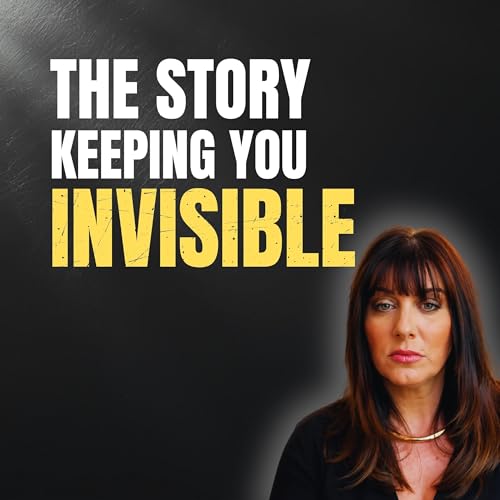
  • The Story That’s Keeping You Invisible
    2026/06/02

    “You don’t have a personal brand. You are a brand.”

    I loved this conversation with Melanie Borden because it gets to the real reason so many people stay invisible. It is not always a strategy problem. It is often a story problem.

    Melanie reminded me that before we post, speak, lead, or build authority, we have already decided who we are allowed to be. That decision shapes how much we share, how much we hold back, and whether we let other people define our value.

    What stood out to me most is that visibility is not about ego. It is about creating trust, building a safety net, and letting the right people understand who you are before they ever meet you.

    5 Key Takeaways

    1. You are already a brand:Personal branding is not about becoming someone else. It is about showing the value, experience, and perspective you already have.
    2. Visibility starts with your internal story: Before anyone else sees you, you have already decided what is safe to say and who you are allowed to be.
    3. Fear is part of the process: Showing up will feel uncomfortable. Like Melanie said, if you are running a 100-mile race, you have to expect blisters.
    4. Your personal brand is a safety net: Whether you work in corporate, own a business, or are making a pivot, being visible helps people discover, understand, and trust you.
    5. No one is thinking about you as much as you are: Most people are focused on themselves. That means the fear of being judged is often bigger in your mind than it is in real life.

    Chapters

    00:00 The story that keeps you invisible 03:00 What internal theater means and how identity shapes visibility 13:00 Why personal branding matters for everyone 22:00 How to start showing up without feeling ready 41:00 Letting go of fear, owning your value, and taking the first step

    続きを読む 一部表示
    49 分
  • Why High Performers Quietly Lose Themselves
    2026/05/19

    “You are not what people say you are. You are who you decide to become.”

    In this episode of Inspired Authority, I sat down with Jamie Diglio to talk about what really happens when high performers step into bigger roles, bigger pressure, and bigger expectations. What stood out to me most is that success does not start with strategy. It starts with identity.

    Jamie’s story is powerful because she has lived the work she now teaches. From burnout and self-doubt to building the Win Room, she shows us that the first leadership reset is not external. It is internal. This conversation reminded me that we cannot build real authority if we are still operating from old narratives, outdated data, and someone else’s definition of success.

    5 Key Takeaways

    1. Your identity has to grow with your success: Many high performers do not fail because they lack talent.
    2. The first sales conversation is with yourself: Before you can sell your ideas, your value, or your leadership to others, you have to believe and trust who you are.
    3. Most people are living in the War Room: The War Room is where self-doubt, comparison, fear, and head trash take over.
    4. Career pivots should be intentional, not reactive: Instead of waiting until burnout or crisis forces a change, Jamie encourages us to look at our strengths, our patterns, and the work people naturally come to us for.
    5. Real leadership requires consistency: Trust is built when who you say you are matches how you show up.

    Chapters and Timestamps:

    00:00 Identity, authority, and who you decide to become

    09:00 The War Room, the Win Room, and the cost of self-doubt

    18:00 Outgrowing old identities and recognizing misalignment

    25:00 What an intentional career pivot really looks like

    45:00 Resetting your operating system and rebuilding self-trust

    続きを読む 一部表示
    56 分