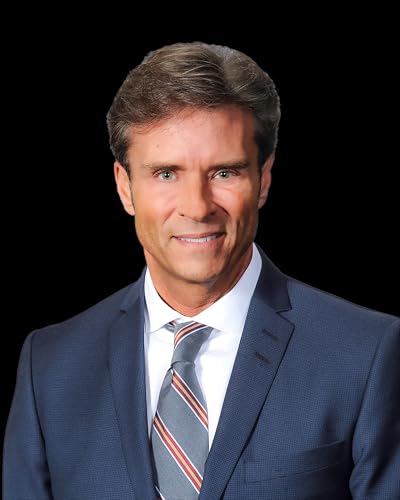
『Inside Canadian Politics』のカバーアート

Inside Canadian Politics

Inside Canadian Politics

著者: Kevin Klein
無料で聴く

概要

Inside Politics takes listeners beyond the surface of daily headlines and into the real forces shaping government, policy, and public life. Hosted by Kevin Klein, a former city councillor, MLA, Minister of Environment, and political columnist for the Winnipeg Sun, the podcast brings a unique blend of frontline experience and straightforward analysis. Each episode explores the decisions being made in city halls, legislatures, and boardrooms—and examines how those choices directly affect communities, families, and the future of Manitoba and Canada. Through candid interviews with policymakers, experts, and everyday citizens, Inside Politics provides a grounded, accessible understanding of complex issues. Whether you're a political enthusiast, a community leader, or simply someone who wants honest information without the spin, Inside Politics gives you the clarity and context you need to stay informed.2025 政治・政府 政治学
エピソード
  • Is Canada Ignoring Major Security Threats?
    2026/03/15
    The latest episode of Inside Politics, hosted by Kevin Klein, featured a wide-ranging discussion on international conflict, Canadian security and political leadership, while also introducing a new voice to the panel. Joining Klein were Winnipeg Sun columnists Royce Koop and Lawrence Pinsky, KC, along with the program's newest panellist, Robert-Falcon Ouellette. Ouellette, a former Liberal Member of Parliament for Winnipeg Centre and recent Winnipeg mayoral candidate, is also a professor at the University of Ottawa and serves as a chaplain with the Canadian Armed Forces' Fort Garry Horse. The discussion began with Ouellette outlining the theme of his first column for the Winnipeg Sun, which explores the religious dimensions surrounding the conflict involving Iran. Ouellette noted that rhetoric surrounding the war has, in some cases, invoked religious language, including references to biblical prophecy and "end times." He contrasted those perspectives with Indigenous traditions, explaining that while Indigenous cultures historically practiced ceremonies and prayers before conflict, wars were rarely framed as efforts to convert others to a belief system. "When conflicts are framed as battles between good and evil, particularly in religious terms, it becomes very difficult to find a path to peace," Ouellette said. Koop agreed religion often plays a role in global conflicts, particularly in the Middle East, though he noted that geopolitical interests frequently intersect with religious motivations. Pinsky offered a different perspective, arguing the conflict with Iran is rooted more in political and human-rights concerns than religion. He described Iran's ruling regime as oppressive and highlighted its treatment of women, LGBTQ citizens and political opponents. The panel also examined Canada's response to the conflict and debated whether Prime Minister Mark Carney's shifting public position could weaken perceptions of leadership. Ouellette suggested leaders should consult caucus members before announcing positions on major global issues to ensure consistency and unity within government. "If your values appear to change day by day, it raises questions about leadership and stability," he said. Another major topic was security within Canada. The panel discussed reports that members of Iran's Islamic Revolutionary Guard Corps may be living in the country and whether Canada should more aggressively investigate and deport individuals linked to hostile regimes. Koop argued that immigration oversight weakened during the pandemic years and called for stronger screening and enforcement. The discussion concluded with questions about Canada's military readiness. Ouellette noted that Canada currently lacks much of the equipment required to make a meaningful military contribution overseas, pointing to aging naval vessels, limited fighter aircraft and equipment shortages. Despite those limitations, panellists agreed Canada should play a stronger diplomatic and strategic role internationally. Klein closed the program by encouraging viewers to read the panellists' columns at WinnipegSun.com and follow Inside Politics online and through podcast platforms. Read their columns at winnipegsun.com
    続きを読む 一部表示
    37 分
  • Canada's most popular premier faces a political reality check — here's why
    2025/12/07
    Inside Politics returns with a blunt assessment of the latest national polling that places Manitoba Premier Wab Kinew at the top of Canada's provincial popularity rankings—despite deepening crises at home. Host Kevin Klein, joined by Winnipeg Sun columnists Royce Koop and Lawrence Pinsky, K.C., dug into the contradictions behind the numbers and the growing speculation that Kinew may have federal ambitions. Koop noted that Kinew's 58% approval rating is undeniably strong, though down a full ten points from just months ago. "People like him—he's charismatic, positive, and carries national appeal," Koop said. "But eventually Manitobans will judge him on results, not vibes." And results are exactly where the panel sees the wheels falling off. Pinsky didn't mince words. "Watch question period and you'll see a different side of him—bullying, shouting, refusing to answer questions," he argued. "Look at what he has actually accomplished: a ballooning deficit, capital fleeing the province, health care collapsing. So why is he still this popular? Image. Media. Nothing substantive." Klein agreed, pointing to the recent tragedy of an elderly woman dying after waiting more than 30 hours for care in a Winnipeg ER. "This should consume the entire legislature," he said. "Instead, we get theatrics, snark, and one-liners. The opposition isn't holding the government accountable, and Manitobans are paying the price." The panel also flagged the Minnesota-level dysfunction inside Manitoba's Progressive Conservative Party, including the abrupt resignation of their new caucus director after only five months. "There isn't a serious opposition right now," Klein said. "And Kinew is benefitting from that vacuum." From there, discussion widened to the national stage. With two potential separation referendums looming—in Quebec and Alberta—and Canada's economic stability tied to an uncertain U.S. trade renegotiation, Koop warned that "these are dangerous times to have a leader who governs by performance instead of policy." Pinsky added, "Manitoba needs a real conservative alternative. Canada needs adult leadership. Right now, voters are getting neither." Klein closed the episode with a challenge to viewers: "Manitoba deserves solutions, not slogans. And Canada deserves leadership, not illusions."
    続きを読む 一部表示
    33 分
  • This is NOT a joke: Reading the Bible could become hate speech in Canada
    2025/12/07
    Prime Minister Mark Carney's speech police, Ottawa's new hate-law gamble, and Manitoba's quiet pushback on faith and free expression were front and centre on the latest episode of Inside Politics with Kevin Klein. Klein was joined by Winnipeg Sun columnists Royce Koop and Lawrence Pinsky, KC to unpack two explosive files: a Manitoba bill to recognize December as Christian Heritage Month, and federal Bill C-9, which could see parts of the Bible treated as hate speech under Liberal amendments. Koop opened with Manitoba PC MLA Carrie Hiebert's private member's bill to designate December as Christian Heritage Month. The bill died when the Legislature adjourned, but Koop called it "a great idea," arguing that in a truly pluralistic Canada, Christianity should be recognized the same way other faiths and identities already are. Pinsky backed him up, noting Manitoba and Ottawa have no problem proclaiming Islamic and Jewish heritage months, Pride events, and endless "days of recognition." "Why are Christians treated as second class?" he asked. "You don't have to blow out someone else's candle for yours to shine brighter." The tone darkened when the panel shifted to Bill C-9 and new Liberal–Bloc amendments. Pinsky explained that Minister Mark Miller has openly suggested that teaching or reading certain Old Testament passages could be prosecuted as hate—despite existing protections for religious belief in Canada's Criminal Code. Koop warned that this is exactly the kind of overreach Canadians thought the Charter would prevent, but courts have repeatedly allowed "reasonable limits" on expression. Pinsky tied it to a wider Western trend, citing UK cases where Christians have lost jobs or faced police attention over social media posts and faith-based views, and argued that Canada is marching down the same path. "Government should be getting out of people's lives," he said. "Instead, Carney's Liberals are trying to police what Canadians think and say." Klein blasted Ottawa for "playing thought police" while food prices soar and families struggle to pay the bills, calling it pure social engineering and a distraction from economic failure. The episode closed with fresh outrage over a new federal media subsidy that funds reporters only if they are from specific "approved" identity groups and cover designated topics. Klein called it "narrative control in plain sight," while Pinsky labelled it one more sign of a state that wants to pick who tells the stories—and which stories get told.
    続きを読む 一部表示
    24 分
まだレビューはありません