

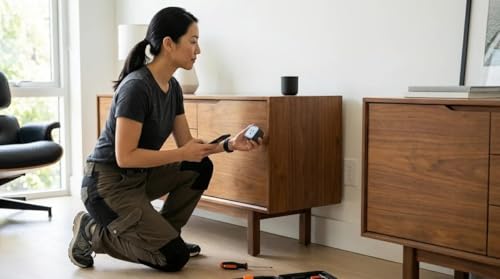
How to Install Hidden Smart Plugs Behind Furniture and Appliances
カートのアイテムが多すぎます
カートに追加できませんでした。
ウィッシュリストに追加できませんでした。
ほしい物リストの削除に失敗しました。
ポッドキャストのフォローに失敗しました
ポッドキャストのフォロー解除に失敗しました

How to Install Hidden Smart Plugs Behind Furniture and Appliances
-
ナレーター:
-
著者:
概要
Hidden smart plugs let you automate lamps, appliances, and seasonal lighting without cluttering your space with visible tech. In this episode, you'll learn how to choose the right protocol for concealed installations, test and pair devices before hiding them, route cables safely, configure intelligent automation logic with fallback behaviors, and scale your system thoughtfully without over-automating.
• Thread and Zigbee are the most reliable protocols for hidden smart plugs because they form self-healing mesh networks with sub-second latency, while Wi-Fi plugs struggle with interference and congestion in concealed locations.
• Always leave at least two to three inches of clearance behind hidden smart plugs to prevent overheating, which can trigger thermal shutdowns or create fire risks in enclosed spaces.
• Test, pair, and rename each smart plug in an accessible location before moving furniture into final position — troubleshooting connectivity issues after installation wastes hours of effort.
• Configure explicit fallback behaviors for each plug so you know how it responds during network outages: default to on for essential lighting, default to off for energy-hungry appliances, and restore last state for decorative lighting.
• Label plugs both physically and digitally with location-based names and maintain a simple spreadsheet documenting which plug controls which device — this saves massive frustration when troubleshooting months later.
Links to any products or resources mentioned in this episode can be found at https://mysmarthomesetup.com/how-to-install-hidden-smart-plugs-behind-furniture-and-appliances.