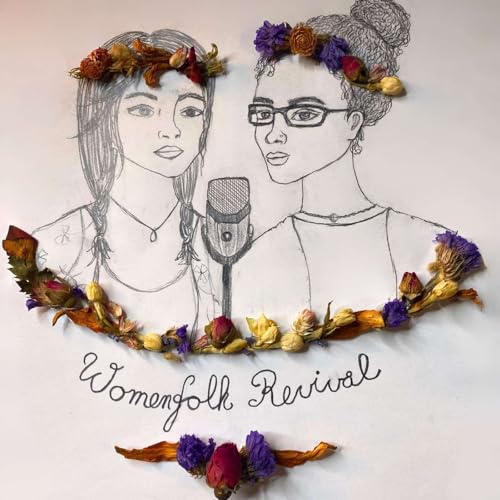
『Healthy Fats Explained: Why We've Been Told to Fear Fat』のカバーアート

Healthy Fats Explained: Why We've Been Told to Fear Fat

Healthy Fats Explained: Why We've Been Told to Fear Fat

無料で聴く

ポッドキャストの詳細を見る
The Fat Revolution: When Did We Become So Afraid of Fat?Butter. Ghee. Tallow. Cream.For generations, families around the world cooked with traditional fats that were available through their climate, culture, and local food systems. Somewhere along the way, many of us began fearing the very foods our grandparents considered ordinary.In this episode of Womenfolk Revival, Meara and Maggie explore traditional fats, ingredient labels, food culture, and why simple foods often contain fewer ingredients than the products filling modern grocery store shelves.We discuss: Butter, ghee, tallow, and traditional cooking fats Reading ingredient labels and asking better questions about our food Traditional kitchens and ancestral foodways Cooking with intention instead of perfection Small changes families can make without overwhelming their budget Why traditional food looks different around the world Nourishing our families with simple, recognizable ingredients This conversation isn't about perfection. It's about becoming more aware, asking questions, and taking small steps toward understanding where our food comes from.Episode HighlightsMeara and Maggie open with a simple but powerful observation: traditional fats were once normal, everyday ingredients, not something controversial or confusing.They break down what fats like tallow, ghee, and butter actually are, and how they’ve been used across cultures for centuries.Maggie shares how tallow can come from different animals depending on region and availability, while Meara reflects on how quickly something unfamiliar can feel intimidating, until it becomes part of daily life.A recurring theme throughout the conversation is this:Modern food has become more complicated than it needs to be.Both hosts talk about reading ingredient labels and noticing how many modern products contain long lists of additives, while traditional foods often contain just one or two ingredients.Food Labels, Trust & Modern ConfusionOne of the most striking parts of the conversation is how often both hosts now flip over food packaging before buying anything.Meara shares how she’s started asking: What is this? What’s in it? What purpose does it serve? Maggie points out how many products that seem “normal” contain ingredients most people wouldn’t recognize, or expect.They also reflect on the difference between countries, noting how the same brands often contain fewer ingredients overseas than in the United States.The conversation isn’t about fear, it’s about awareness.Traditional Fats in the KitchenThe episode explores how fats like butter, tallow, coconut oil, avocado oil, and olive oil are used in everyday cooking.Meara shares how she uses: Butter for cooking fish and chicken Ghee or tallow for high-heat meals Coconut oil for popcorn Maggie talks about making popcorn from scratch on the stovetop and finishing it with butter and mineral salt, turning a simple snack into something nourishing and intentional.They both emphasize that traditional cooking fats aren’t complicated—they’re practical.Small Changes, Not PerfectionA major takeaway from this episode is that change doesn’t have to be extreme.You don’t need to throw everything out. You don’t need a perfect pantry. You don’t need to overhaul your entire diet overnight.Instead: Start by reading ingredient labels Choose simpler versions of everyday foods Swap one cooking fat at a time Notice how real foods make you feel As Maggie puts it, it’s about deciding what matters and making gradual changes that fit your life and budget.Why This MattersThe conversation goes deeper than food.It touches on: Health and energy Modern convenience culture Trust in food systems The loss of traditional knowledge Reconnecting with ancestral food practices Meara reflects on how traditional kitchens weren’t built around perfection—they were built around feeding families well with what was available.Final ReflectionBefore closing, the hosts encourage listeners to do one simple thing:Next time you’re at the grocery store, turn a package around and read the ingredients.Do you recognize them? Do you understand them? Or have they become unfamiliar?That small act of awareness is where change begins.Because sometimes the simplest foods really are the most nourishing.Important NoteThis episode is intended for educational and informational purposes only. Dietary needs vary from person to person. Please consult your healthcare provider before making significant dietary changes, especially if you have existing medical conditions.Resources: Ohio Traditional Food & Fat SourcesLooking for grass-fed beef, tallow, raw dairy, or local farms in Ohio? OEFFA (Ohio Ecological Food and Farm Association): https://grow.oeffa.org OEFFA Organic Farm Directory: https://www.oeffa.org/countymap.php Real Milk Ohio Farm Directory: https://www.realmilk.com/farm-directory/wpbdm-region/ohio/ Raw ...
adbl_web_anon_alc_button_suppression_t1
まだレビューはありません