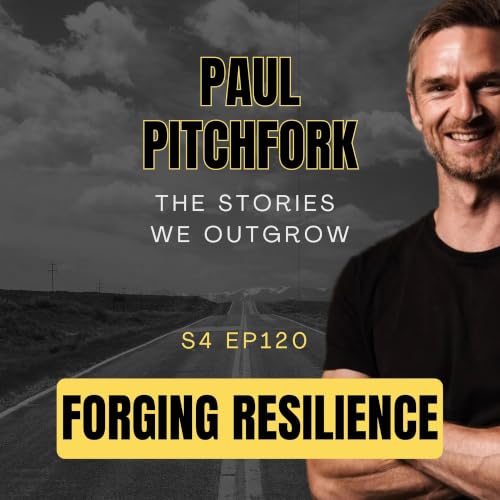
『Forging Resilience』のカバーアート

Forging Resilience

Forging Resilience

著者: Aaron Hill
無料で聴く

プレミアムプランが3か月 月額99円

登録で500円分のAmazonギフトカードプレゼント。12月23日まで。※適用条件あり
概要
There are people in this world with extraordinary stories, people who've been forged by challenge, transition, and adversity, and most of us will never get the chance to hear them speak honestly about it. Forging Resilience closes that gap.

Host Aaron Hill draws on a deep network of military leaders, elite athletes, entrepreneurs, and coaches to have the conversations that don't happen in boardrooms or on stages. Driven by curiosity and presence, Aaron doesn't follow a script or stick to a format, he follows the story. What comes out is something rare: real, unfiltered insight from people who've been through the fire and come out the other side.

Built for high performers, leaders, founders, and anyone facing a moment that demands more of them, this is the show for people who don't fit the mould, hosted by someone who doesn't either.


www.linkedin.com/in/aaron-hill-synergy-coaching

https://www.instagram.com/aaronhill_79/

2026 Aaron Hill
個人的成功 心理学 心理学・心の健康 自己啓発 衛生・健康的な生活
エピソード
  • S4 Ep120 Paul Pitchfork: The Stories We Outgrow
    2026/11/19

    Ron speaks with Paul Pitchfork, a former British Army officer who served for 18 years and is now studying coaching psychology, about identity and the inner work of major life transitions. Paul reflects on leaving the army, traveling through South America, cancer treatment, becoming a father at 53, and learning to revise the stories we tell about ourselves.

    Paul traces early identity shifts from boarding school and studying philosophy to joining the army, where he served for 18 years.

    He describes the conflict between external expectations and internal values, including the difficult decision to leave before taking command of a Gurkha battalion.

    After leaving, Paul abandoned a planned solo Indian Ocean row and traveled around South America by motorbike, using the time as a neutral zone between life chapters.

    Paul explains narrative identity as an ongoing process of revisiting and editing how past experiences connect to present life and future possibilities.

    He argues that holding multiple roles can protect people from becoming trapped in a single professional identity and make transitions more adaptable.

    Paul discusses trusting intuition, making space for discomfort, and seeking advice from people whose values-based counsel he trusted.

    He connects autonomy, relatedness, and competence from self-determination theory to how he navigated cancer treatment and built support around himself.

    Becoming a father at 53 brought Paul a renewed sense of purpose and helped him see identity as something that can soften and adapt.

    Paul distinguishes external change from internal transition and describes the value of a neutral zone before committing to a new beginning.

    His advice for people facing cancer is to build a supportive community, stay curious, work with clinicians, and take psychological ownership of the process.

    続きを読む 一部表示
    1 時間 2 分
  • S4 Ep119 Aaron Hill: Welcome to S4
    2026/11/08

    A new season of Forging Resilience and an opportunity to experiment.

    In this short solo episode, I share my plans for walk-and-talk interviews, reflect on what these conversations continue to teach me, and talk about practising being present, letting go of the “right” question, and getting started again without making the delay mean anything about me.

    If it works, great.

    If it doesn’t, change something.

    The world keeps spinning.

    Let's go.

    続きを読む 一部表示
    8 分
  • S4 Ep118 Lee White: The Weight We Carry
    2026/10/27

    Lee White describes his resentments as rocks in a rucksack. He’d take them out, revisit them, then carry them around again.

    Today I’m joined by Lee, a hospital director who speaks openly about addiction, rebuilding his life and the daily work of staying well.

    He shares an experience in Thailand where two people he had harmed offered him forgiveness. We explore what that taught him about his own resentments, taking responsibility and learning to respond rather than react.

    We also talk about the expectations we put on people without telling them, being honest about how we feel, and sticking with change when it’s uncomfortable.

    Lee brings us back to a simple practice: doing the next right thing. In his relationships, in helping others, and on the days when life doesn’t go to plan.

    What might putting down one of those rocks look like for you?

    続きを読む 一部表示
    54 分
adbl_web_anon_alc_button_suppression_t1
まだレビューはありません