エピソード

  • It’s Time to Clean Up the Mess
    2026/09/01

    What if the knowledge we need most for the future is something we’ve spent centuries forgetting?

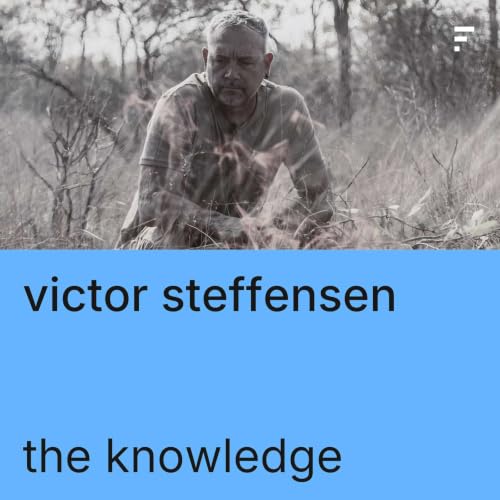
    Meet Victor Steffensen, Tagalaka man, author, filmmaker, musician and co-founder of the Living Knowledge Network. For decades, Victor has worked with Indigenous communities in Australia and around the world to revive traditional ways of reading and caring for Country. His new book, The Knowledge, asks a much bigger question: what have we lost by separating ourselves from the natural world - and what might happen if we learned how to listen again?


    From why the climate crisis may actually be an identity crisis to how Western science and Indigenous Knowledge Systems can work together and the deceptively simple idea that everything we create should help nature flourish - this is a conversation about Indigenous knowledge as you might never have heard it before. Not as something that belongs to a select few, but as the wisdom that underpins us all.


    In this episode:

    • Why Victor believes we’re all Indigenous to the planet
    • Why he thinks the climate crisis is, at its heart, an identity crisis
    • What happens when a landscape loses its identity and how you bring it back
    • How ancient knowledge and modern science can strengthen each other
    • The possibilities of reviving cultural memory and practice
    • And why, instead of arguing about who created the mess we're in, it’s time to get on with cleaning it up

    Timestamps:
    00:50 Introduction to Victor Steffensen

    05:21 Why Indigenous Knowledge is for everyone

    09:17 The moment that sparked 'The Knowledge' for Victor

    13:00 Indigenous Knowledge v Western Science

    17:32 What Victor has learned from apply the Knowledge in different countries

    20:06 Midpoint Reflections

    22:40 The Knowledge Triangle

    24:41 The Identity Crisis

    31:21 What does this actually look like?

    34:47 The job of cleaning up the mess

    41:32 Final Reflections


    Want to know more about The Knowledge?
    👉 Read Victor's new book, The Knowledge(Available online & at all good bookstores)
    👉 Explore the Living Knowledge Network
    👉 Follow the team's work: Instagram. LinkedIn. Facebook. Video.


    Image Credit:
    Harry Vincent - Living Knowledge Network

    About Fix The News:
    Fix The News is a solutions-focused media platform sharing stories from the frontlines of progress - exploring what’s working in the world and the people making it happen.


    Subscribe & follow:
    If you enjoyed this episode, follow the podcast and leave a review - it helps more people find these stories.


    Production credits:
    Hosted by Angus Hervey and Amy Davoren-Rose
    Produced by Fix The News
    Audio production: Anthony Badolato, Hear That!


    This episode was produced in Australia on the lands of the Gadigal, Wurundjeri and Woi Wurrung peoples.

    続きを読む 一部表示
    46 分
  • When the Taliban Banned Girls From School, SOLA Kept Teaching
    2026/08/19

    Five years ago, the Taliban banned girls from the classroom. One school refused to stop teaching.

    In August 2021, as the Taliban returned to power in Afghanistan, the staff and students of SOLA, the country’s first and only boarding school for Afghan girls, managed to escape to Rwanda, where they established a temporary campus to continue classes.

    Meet Shabana Basij-Rasikh, co-founder of SOLA, and our very first guest on this podcast when we launched in 2023. Five years since the Taliban takeover, Shabana returns to reflect on what has happened since: from Afghan women running secret schools and girls rationing internet data to keep learning to what has become of SOLA’s first cohort and what it means to create a place where Afghan girls have the freedom to simply be “girls who go to school.”

    In this episode:

    • Why Afghan women are continuing a generations-long tradition of secret schools
    • How the internet has become a lifeline for girls and women inside Afghanistan
    • What happened to the first cohort of SOLA girls
    • How SOLA built a permanent new home for Afghan girls in Rwanda
    • The importance of giving girls the safety to be normal teenagers
    • What five years of exile, education and resistance can teach us
    • Why Shabana’s message to the world is simple: “Don’t look away.”


    Help keep the doors open for Afghan girls:

    👉 Learn more about SOLA
    👉 Donate to SOLA
    👉 Explore SOLAx


    Timestamps:
    00:54 Introducing the School of Leadership Afghanistan (SOLA)

    03:10 What hope means to Shabana Basij-Rasikh

    05:07 The legacy of Afghan women and eduction

    08:43 Why the internet is a lifeline for Afghan women and girls

    13:10 SOLAx - the online school

    18:04 An update on the students of SOLA

    21:45 Midpoint Reflections

    23:17 SOLA has finished construction on a permanent campus in Rwanda

    27:43 The power of partnerships

    29:50 The relationship between SOLA and Rwanda

    32:18 What the students of SOLA have taught Shabana

    35:40 How the story of SOLA expands what's possible

    38:31 Final Thoughts


    About Fix The News:
    Fix The News is a solutions-focused media platform sharing stories from the frontlines of progress - exploring what’s working in the world and the people making it happen.


    Subscribe & follow:
    If you enjoyed this episode, follow the podcast and leave a review - it helps more people find these stories.


    Production credits:
    Hosted by Angus Hervey and Amy Davoren-Rose
    Produced by Fix The News
    Audio production: Anthony Badolato, Hear That!


    This episode was produced in Australia on the lands of the Gadigal, Wurundjeri and Woi Wurrung peoples.
    続きを読む 一部表示
    42 分
  • The Future of Farming: Healthy Soil, AI and Food Security
    2026/08/05

    The story of farming has always been one of adaptation. The next chapter may be its most one important yet.

    In this special episode of Fix The News, we bring together two conversations exploring one of the defining questions of our time: how do we feed a growing world without destroying the planet that we depend on?

    Meet Professor Rattan Lal, one of the world's leading soil scientists and a World Food Prize laureate, whose life's work has transformed our understanding of the living world beneath our feet. Then meet Alesha Miller, Chief Strategy Officer at Digital Green, who's helping smallholder farmers across Africa and Asia combine generations of local knowledge with artificial intelligence to build more resilient food systems.


    Together, they help us unpack that that the future of agriculture isn't about choosing between nature and technology, tradition and innovation, or human and artificial intelligence. It's about strengthening both.

    In this episode:

    • Why healthy soil is the foundation of healthy food systems
    • How our lifestyle choices today will help shape the future
    • The importance of the world's 500 million smallholder farmers
    • How AI can amplify rather than replace human knowledge
    • Why trust matters as much as technology
    • Why the future of farming may depend on combining old wisdom with new ideas


    Timestamps:
    00:13 The most common occupation on earth

    03:45 Meet Professor Rattan Lal

    04:54 Why soil is a living entity

    08:37 What does Regenerative Agriculture actually mean?

    12:05 The Law of Return

    20:53 Midpoint Reflections

    22:47 Meet Alesha Miller

    25:47 What is Digital Green?

    30:14 Can weather predictions save AI?

    37:21 Technology and Trust

    43:04 Closing Reflections: Choose Both


    Dig Deeper:

    👉Professor Rattan Lal
    👉 Digital Green


    About Fix The News:
    Fix The News is a solutions-focused media platform sharing stories from the frontlines of progress - exploring what’s working in the world and the people making it happen.


    Subscribe & follow:
    If you enjoyed this episode, follow the podcast and leave a review - it helps more people find these stories.


    Production credits:
    Hosted by Angus Hervey and Amy Davoren-Rose
    Produced by Fix The News
    Audio production: Anthony Badolato, Hear That!


    This episode was produced in Australia on the lands of the Gadigal, Wurundjeri and Woi Wurrung peoples.

    続きを読む 一部表示
    47 分
  • The Teen Sisters Rebuilding Gaza: Earth Prize Winners Tala & Farah Mousa
    2026/07/22

    Since October 2023, much of the world's attention has been focused on the destruction in Gaza. This conversation is about something we hear much less about: rebuilding.

    Meet Tala and Farah Mousa, two teenage sisters from Gaza and winners of The Earth Prize Middle East, one of the world's leading environmental competitions for teenagers. Their project, Build Hope is recycling the enormous volumes of rubble left behind by destroyed buildings and transforming it into reusable bricks to help rebuild their communities. The idea began with a Year 9 textbook in Tala's school bag. Today, it has the potential to give communities beyond Gaza, the tools to rebuild using what's already around them. It's an idea that has the potential to reduce waste, lower rebuilding costs and support reconstruction in disaster and war zones around the world.
    Podcast Image credit: Ali Awad


    In this episode:

    • Displacement and disruption - life as a teenager in Gaza
    • The inspiration behind their award-winning project
    • Their vision for helping communities beyond Gaza
    • Why rebuilding deserves as much attention as destruction

    Timestamps:
    00:35 What we know about Gaza and the Middle East Region

    04:18 Introducing Tala and Farah Mousa

    05:14 What they want us to know about their community

    05:58 The inspiration behind Build Hope

    08:12 A family and community project

    09:21 The problem with rubble

    09:54 Why its important for people in Gaza to have the tools to rebuild themselves

    10:53 Midpoint Reflections

    12:36 The next step for Build Hope

    13:17 What Tala and Farah have learned about themselves

    13:53 What hope means to these sisters

    15:49 Gaza 10 years from now

    16:37 Tala and Farah's message for young people around the world

    18:54 Final reflections


    Support Build Hope:
    Contact amy@fixthenews.com for more information

    About The Earth Prize

    The Earth Prize is one of the world's largest environmental competitions for teenagers, supporting young innovators developing practical solutions to the planet's biggest challenges.


    About Fix The News:
    Fix The News is a solutions-focused media platform sharing stories from the frontlines of progress - exploring what’s working in the world and the people making it happen.


    Subscribe & follow:
    If you enjoyed this episode, follow the podcast and leave a review - it helps more people find these stories.


    Production credits:
    Hosted by Angus Hervey and Amy Davoren-Rose
    Produced by Fix The News
    Audio production: Anthony Badolato, Hear That!


    This episode was produced in Australia on the lands of the Gadigal, Wurundjeri and Woi Wurrung peoples.

    続きを読む 一部表示
    24 分
  • Antarctica: The World's Greatest Story of Cooperation
    2026/07/08

    Antarctica isn't just a climate story.

    For more than 65 years, Antarctica has been governed by one of the most remarkable international agreements ever created. At the height of the Cold War, countries with competing territorial claims agreed to set conflict aside and dedicate an entire continent to peace, science and environmental protection.

    Meet Claire Christian, Executive Director of the Antarctic and Southern Ocean Coalition (ASOC) - the only environmental organisation invited to participate directly in meetings of the Antarctic Treaty System. With more than 15 years working inside the Treaty System, Claire offers a rare behind-the-scenes look at how the world cooperates to protect one of the most important places on earth.

    In this episode:

    • Why the Antarctic Treaty remains one of humanity's greatest diplomatic achievements
    • How Antarctica shapes climate, oceans and sea levels around the world
    • What Antarctica can teach us about our relationship with nature
    • The challenges of protecting the Southern Ocean in a changing climate
    • Why consensus is the Antarctic Treaty System's greatest strength and biggest frustration
    • The future of our coldest and driest continent

    Timestamps:
    00:31 Why Antarctica Matters

    04:19 Meet Claire Christian

    05:58 How Antarctica Shapes the World

    08:59 The Ross Sea Success Story

    10:55 Inside the Antarctic Treaty

    16:25 Midpoint Reflections - The Human Side of Diplomacy

    18:54 Antarctica and the News

    20:26 What Claire Has Learned From Visiting Antarctica

    22:27 A Wonderful World of Invertebrates

    23:27 The Issue of Krill

    25:09 Thwaites Glacier

    25:57 The Climate Challenge

    28:10 A Vision for Antarctica's Future

    30:02 What Antarctica Can Teach Us

    31:46 Final Reflections


    Find out More:

    👉 Antarctic and Southern Ocean Coalition - ASOC
    👉 Claire Christian


    About Fix The News:
    Fix The News is a solutions-focused media platform sharing stories from the frontlines of progress - exploring what’s working in the world and the people making it happen.


    Subscribe & follow:
    If you enjoyed this episode, follow the podcast and leave a review - it helps more people find these stories.


    Production credits:
    Hosted by Angus Hervey and Amy Davoren-Rose
    Produced by Fix The News
    Audio production: Anthony Badolato, Hear That!


    This episode was produced in Australia on the lands of the Gadigal, Wurundjeri and Woi Wurrung peoples.

    続きを読む 一部表示
    35 分
  • How Education Is Rebuilding Northern Uganda: Girls, Hope & Healing
    2026/06/24

    What happens when you redesign education around the people who have been left behind?


    Meet Alice Achan - social worker, educator and founder of the Te-Kworo Foundation, a boarding school in Northern Uganda that is helping young mothers and vulnerable girls rebuild their lives. What started as a small support group during the aftermath of war has grown into one of the most remarkable educational models in Africa. Today, Te-Kworo's three campuses support more than 1,000 young women through education, childcare, healthcare, counselling and community support.

    Alice shares how her own experiences as a child of war shaped what she calls a "School of Restoration" - a place where education, healthcare and healing work together to empower young women to create better futures for themselves, their families and change entire communities.

    In this episode:
    • Why Te-Kworo calls itself a "School of Restoration"
    • The link between education, healthcare and opportunity
    • The ongoing challenges of child marriage and cultural expectations
    • How boarding schools help keep vulnerable girls safe
    • The power of defeating shame and rebuilding confidence
    • Why educating girls can transform entire communities


    Timestamps:
    00:46 Why giving partners are a core part of Fix The News

    04:48 Interview with Alice Achen

    07:38 Education as a pathway out of poverty

    10:15 The tension between creating different futures while protecting cultural boundaries

    12:12 From education to healthcare - Te-Kworo's holistic model

    14:57 What happens when women have access to healthcare and education

    15:31 Gus & Amy - Midpoint reflections

    17:35 From trauma to triumph - Alice's personal story

    20:57 How Alice started a school under a tree

    26:52 The power of defeating shame

    28:38 Intergenerational ripples

    30:08 Alice's biggest lesson

    30:38 Bunk beds from Fix The News

    31:19 The big vision for Te-Kworo

    33:33 Alice's remedy for the world

    34:46 Gus & Amy - Final thoughts


    Become part of the Te-Kworo community:
    If Alice's story resonated with you, you can learn more about Te-Kworo and support their work below.

    👉 Website
    👉 Feed the School campaign


    About Fix The News:
    Fix The News is a solutions-focused media platform sharing stories from the frontlines of progress - exploring what’s working in the world and the people making it happen.


    Subscribe & follow:
    If you enjoyed this episode, follow the podcast and leave a review - it helps more people find these stories.


    Production credits:
    Hosted by Angus Hervey and Amy Davoren-Rose
    Produced by Fix The News
    Audio production: Anthony Badolato, Hear That!


    This episode was produced in Australia on the lands of the Gadigal, Wurundjeri and Woi Wurrung peoples.

    続きを読む 一部表示
    38 分
  • Colombia Ended a 60-Year War: Lessons in Making Peace
    2026/06/10

    What can Colombia teach us about what's still possible?

    Meet Juan Manuel Santos - former President of Colombia, Nobel Peace Prize laureate and Chair of The Elders - who helped negotiate an end to one of the longest-running armed conflicts in modern history. Under his leadership, Colombia signed a peace agreement with FARC, bringing an end to a conflict that had shaped the country for over 60 years.

    But this conversation isn't just about ending a war. We also explore Colombia's environmental leadership - from Indigenous wisdom in the Sierra Nevada de Santa Marta to the idea that there can be no lasting peace among people without peace with nature. Along the way, President Santos explains how Colombia helped inspire the Sustainable Development Goals, why cooperation remains humanity's greatest challenge, and what lessons the world can learn from a country that many once considered beyond repair.

    In this episode:

    • How post-apartheid South Africa helped shape his vision for peace
    • Why peace is often unpopular - and why he pursued it anyway
    • The difference between making peace and building it
    • How victims became central to Colombia's peace process
    • The role of Colombia in creating the Sustainable Development Goals
    • Why making peace with nature is essential to creating a better future

    Timestamps:

    00:44 Amy & Gus: Why Doesn't South America Make the Headlines?
    02:22 A Leadership Lesson from the Colombian Navy
    04:45 Inside The Elders
    05:14 The Four Existential Threats Facing Humanity
    07:59 Making Peace with the Western Hemisphere's Longest-Running Guerrilla Movement
    09:59 How Nelson Mandela Made Peace Seem Possible
    12:25 Why Peace Is Often Unpopular
    15:12 The Difference Between Making Peace and Building It
    19:07 Why Victims Were Central to Colombia's Peace Process
    22:11 Pastora Mira and the Extraordinary Power of Forgiveness
    24:51 Is Peace Good for Nature?
    26:41 The Colombian Idea That Became the SDGs
    29:49 The Santa Marta Mandate: Bringing Humanity Back to Nature
    32:25 Legacy, Elections and the Durability of Progress
    35:52 Why We Need to Learn from Young People
    37:48 What Is Still Possible?
    40:16 The Dream President Santos Still Wants to Fulfil
    41:00 Amy & Gus: Final Reflections


    Go Deeper:

    👉 The Elders
    👉 Juan Manuel Santos
    👉 The Open Library of the Colombian Peace Process


    About Fix The News:
    Fix The News is a solutions-focused media platform sharing stories from the frontlines of progress - exploring what’s working in the world and the people making it happen.


    Subscribe & follow:
    If you enjoyed this episode, follow the podcast and leave a review - it helps more people find these stories.


    Production credits:
    Hosted by Angus Hervey and Amy Davoren-Rose
    Produced by Fix The News
    Audio production: Anthony Badolato, Hear That!


    This episode was produced in Australia on the lands of the Gadigal, Wurundjeri and Woi Wurrung peoples.

    続きを読む 一部表示
    44 分
  • The Largest Dam Removal in U.S. History: What Repair Really Looks Like
    2026/05/27

    The battle to restore the Klamath River lasted generations. When the dams finally came down, salmon returned within three days - far faster than scientists expected, marking a turning point for Indigenous rights, ecological restoration and cultural survival.

    Meet Amy Bowers Cordalis - attorney, activist and member of the Yurok Tribe - who helped lead one of the most significant river restoration efforts in modern history. Amy shares the story behind America’s largest dam removal project: from growing up alongside the Klamath River and witnessing the devastating 2002 salmon die-off, to becoming the first General Counsel for the Yurok Tribe and helping navigate a long fight against political, legal and corporate interests that many believed was impossible to win.

    This isn’t just a conversation about dams or conservation. It’s about what comes after victory - and what repair truly means for ecosystems, communities, culture and our collective future.


    In this episode:

    • How Amy blew up a dam on her birthday
    • Why salmon returned to the Klamath River in just three days
    • The cultural and spiritual connection between the Yurok people, the river and salmon
    • What the 2002 mass death of 70,000 salmon meant for Indigenous communities
    • How grief and anger led Amy to law school and environmental advocacy
    • Warren Buffett - and why his team ended up on the banks of the Klamath River
    • The surprising economics of dam removal and river restoration
    • Finding the joy in advocacy
    • What the Klamath story teaches us about hope, persistence and ability of nature and communities to heal

    Timestamps:

    00:54 - Introduction to the Klamath River story

    02:26 - Meet Amy Bowers Cordalis

    03:59 - The Yurok's relationship with the Klamath and the salmon

    07:05 - The turning point in 2002

    10:59 - How Amy's great-grandmother told her to take action

    12:53 - 80,000 salmon died, no media showed up

    13:38 - What a decades-long battle felt like on the inside?

    15:13 - When Warren Buffet's team came out to the Klamath

    19:02 - Midpoint reflections

    20:43 - How the Klamath restoration changes the story of environmental activism

    22:55 - Why restoration and economics can go hand in hand

    23:49 - What it's like to blow up a dam, on your birthday

    25:04 - How the elders have responded to the Klamath flowing again

    27:32 - How salon beat scientific predication and returned after three days

    29:23 - The myth of the lone hero

    32:11 - Other river restoration projects happening in America

    34:26 - What comes after victory? Healing.

    38:21 - What the Klamath story tells us about what's possible

    40:22 - Final reflections


    Want to dive deeper?

    👉 Find out more about Amy and her book 'The Water Remembers'
    👉 Amy's non-profit Ridges to Riffles


    About Fix The News:
    Fix The News is a solutions-focused media platform sharing stories from the frontlines of progress - exploring what’s working in the world and the people making it happen.


    Subscribe & follow:
    If you enjoyed this episode, follow the podcast and leave a review - it helps more people find these stories.


    Production credits:
    Hosted by Angus Hervey and Amy Davoren-Rose
    Produced by Fix The News
    Audio production: Anthony Badolato, Hear That!


    This episode was produced in Australia on the lands of the Gadigal, Wurundjeri and Woi Wurrung peoples.

    続きを読む 一部表示
    43 分