

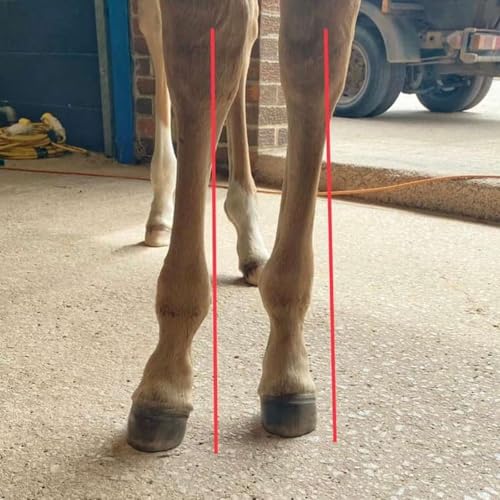
Episode 7 - Angular limb deformities in foals
カートのアイテムが多すぎます
カートに追加できませんでした。
ウィッシュリストに追加できませんでした。
ほしい物リストの削除に失敗しました。
ポッドキャストのフォローに失敗しました
ポッドキャストのフォロー解除に失敗しました

Episode 7 - Angular limb deformities in foals
-
ナレーター:
-
著者:
概要
In this episode, we explore Angular Limb Deformities (ALDs) in foals—one of the most important developmental challenges faced by breeders, farriers, and equine veterinarians. These early-life limb deviations can influence a horse’s long-term soundness, athletic potential, and overall welfare. This conversation unpacks what ALDs are, how they develop, how to diagnose them, and the full spectrum of modern treatment options.
• What Are Angular Limb Deformities?
- Definitions of valgus and varus deviations
- Commonly affected joints: carpus, fetlock, tarsus
- Why early identification is crucial
• The Anatomy Behind ALDs
- The role of growth plates (physes) in young foals
- How asymmetric growth creates crooked limbs
- Why mild carpal valgus in newborns is often normal—and when it isn’t
• Causes and Risk Factors
We explore both congenital and acquired causes, including:
- Incomplete ossification in premature or dysmature foals
- Trauma to physes and soft tissue support
- Rapid growth rates and mineral imbalances
- Environmental loading factors (footing, trimming)
- Genetic predisposition in certain lines
• Clinical Signs to Look For
- How to assess a foal from the front and rear
- Distinguishing true ALDs from rotational issues
- Subtle signs that deformities are worsening
- Consequences of leaving ALDs untreated
• Diagnostic Tools
- Radiography as the gold standard
- What imaging reveals about deviation severity and growth potential
- When ultrasonography adds value
• Conservative Management Strategies
- How controlled exercise helps (and when it doesn’t)
- Corrective trimming principles for valgus and varus
- Use of extensions, glue-ons, and wedges
- The importance of balanced young-stock nutrition
• Surgical Options for Moderate–Severe ALDs
- Periosteal stripping: When it works and why age matters
- Transphyseal bridging: How implants guide growth correction
- Rare but possible: osteotomy for severe late-stage cases
• Prognosis & Long-Term Outlook
- Which cases resolve on their own
- Age-related windows for effective correction
- Potential long-term issues if treatment is delayed
- Realistic athletic expectations for corrected foals
• Prevention & Early Monitoring
- Managing the pregnant mare’s diet
- Footing, exercise, and early handling
- Weekly limb assessments in the first month
- The importance of vet–farrier collaboration
📚 Key Takeaways
- ALDs are common but highly treatable when identified early.
- Farriery, nutrition, management, and veterinary intervention form a single, coordinated system.
- With early correction, most foals enjoy excellent long-term soundness.
📖 References
This episode draws on established research by Adams & Stashak, O’Grady & Poupard, Ralston, Redding & O’Grady, Santschi et al., and others exploring equine orthopaedic development and ALD correction.
To order your hardback copy of The Hoofcare Companion visit:
Store | thefarrier
For an eBook version visit here:
The Hoofcare Companion (eBook Edition) eBook : Jerram, Marc: Amazon.co.uk: Books