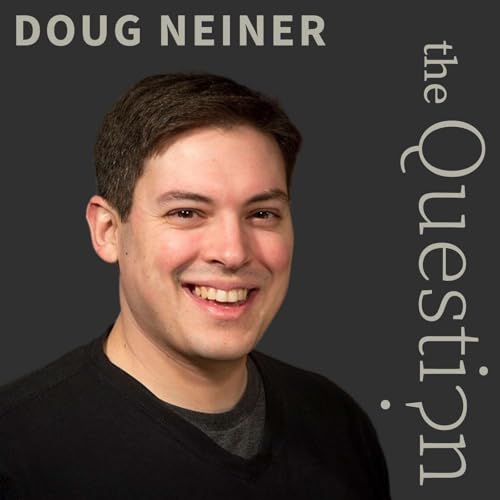
『Episode 072 Recap: Extreme Design System Support with Ben Callahan and Doug Neiner』のカバーアート

Episode 072 Recap: Extreme Design System Support with Ben Callahan and Doug Neiner

Episode 072 Recap: Extreme Design System Support with Ben Callahan and Doug Neiner

無料で聴く

ポッドキャストの詳細を見る

今ならプレミアムプランが3カ月 月額99円

2026年5月12日まで。4か月目以降は月額1,500円で自動更新します。

概要

Episode 072 Recap: Extreme Design System Support with Ben Callahan and Doug NeinerHost Ben Callahan and co-host Doug Neiner, a design system practitioner at Planview, sit down immediately following the Episode 072 deep dive to reflect on what they heard from the community. The survey was sent to 1,081 design system practitioners and received 49 responses across four questions: what support do you currently offer; how would you change it without constraints; what prevents better support; and share a story of going above and beyond. The conversation covers the standout data points: the written vs. video documentation gap, the surprisingly high rate of dev environment access, embedding, private vs. public support channels, the balance between high-touch support and burnout, and the importance of being perceived as a helper rather than a blocker.Show Notes00:00 - Introduction and episode overview 01:46 - Q1 data highlights: written vs. video documentation gap 02:13 - Dev environment access: higher than expected at nearly 50% 02:48 - Lowering the bar for video production with modern tooling 03:15 - The perfectionist/design system practitioner Venn diagram 04:00 - Q3 data: unclear ownership is low; headcount and competing priorities dominate 04:30 - What "competing priorities" really means for system teams 05:46 - Doug's support approach at Planview: docs, Slack channels, onboarding, and local debugging 07:53 - Going beyond "access": running consumer products locally for deeper support 08:28 - The most extreme example: getting an org-issued PC to support a heavy product 09:42 - DMs vs. open channels: why private requests matter for trust 10:34 - Not everyone is comfortable asking publicly—meeting people where they are 11:20 - The problem with ticketing systems and over-streamlining support11:49 - How private support builds trust that eventually leads to public participation 13:25 - Prioritizing relationship over efficiency: creating tickets on behalf of consumers 14:10 - Scale vs. effort framework for thinking about support types 15:42 - Embedding: initially looks high-effort/low-scale, but the impact compounds 16:21 - Doug on embedding: modeling behavior, referencing docs together, building self-sufficiency 17:50 - The other side: high-touch support and the risk of design system team burnout 18:47 - How to gauge when a support request warrants deep mentorship vs. a quick fix 21:56 - Recap of embedding discussion: Sean's reverse embedding process from Spotify 23:28 - Doug's one experience with reverse embedding and its lasting impact 24:06 - Alexander's story: misaligned incentives can undermine embedding programs 25:08 - Rebecca's insight: being a helper vs. a blocker, and how hard trust is to rebuild 26:06 - What embedding teaches you about your own system's pain points 26:31 - Staying connected to product work keeps system teams grounded in consumer reality 27:31 - Mapping stakeholders: identifying high-influence non-advocates and converting them 28:35 - Doug: influence can come from the product, not just the person 29:57 - AI in design system support: useful for self-service, but reduce touch points with caution 31:01 - Closing reflections and thanks 31:39 - OutroWhere to Find the HostsBen Callahan is Founder of Sparkbox and Redwoods Design System Community. Read his writings, have him present at your event, or engage with him as a coach or consultant at https://bencallahan.comDoug Neiner is a Principal Software Engineer at Planview. Connect with him on LinkedIn.Get the Raw DataAccess the complete survey data from Episode 072 to conduct your own analysis: **https://bit.ly/41H6Tf7**Review the FigJam NotesDig into the collaborative notes we took as a community during the deep dive: **https://bit.ly/4mm3uLZ**Join the ConversationThe Question explores design systems topics through community research and deep-dive discussions. Participate in future episodes and contribute to the next survey: **https://bit.ly/answerTheQuestion**
まだレビューはありません