

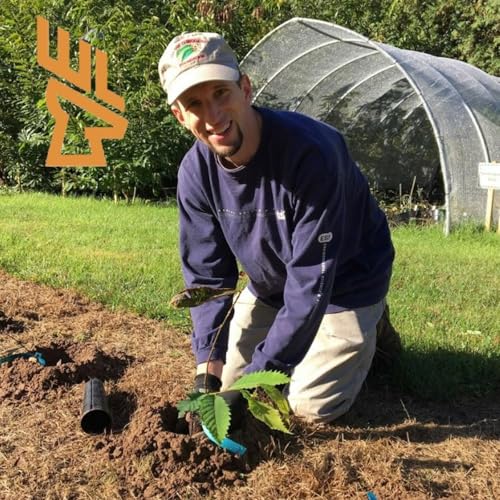
EP224 The American Chestnut Comeback: Restoration, Deer Habitat, and the GMO Question
カートのアイテムが多すぎます
カートに追加できませんでした。
ウィッシュリストに追加できませんでした。
ほしい物リストの削除に失敗しました。
ポッドキャストのフォローに失敗しました
ポッドキャストのフォロー解除に失敗しました

EP224 The American Chestnut Comeback: Restoration, Deer Habitat, and the GMO Question
-
ナレーター:
-
著者:
This episode of Maximize Your Hunt delves into the restoration of the American chestnut, a tree that once thrived across North America but was nearly wiped out by a blight in the early 20th century. Host Jon Teater discusses the differences between transgenic and hybrid chestnuts with experts Dr. Andy Newhouse and Tim Russell, exploring the science behind genetic modification, public perception of GMOs, and the ecological importance of chestnuts. The conversation emphasizes the need for community involvement in restoration efforts and the potential for future research to enhance our understanding of chestnut management.
Takeaways
- The American chestnut was once a dominant species in North America.
- Transgenic chestnuts are developed to resist blight more effectively than hybrids.
- Public perception of GMOs can be negative, but education is key.
- Restoration efforts require careful planning and community involvement.
- Deer can significantly impact the growth of young chestnut trees.
- Transgenic trees can cross-pollinate with wild types, aiding restoration.
- Research on chestnuts can lead to new ecological insights.
- Planting hybrids can provide immediate benefits for wildlife.
- The regulatory process for transgenic trees is rigorous and necessary.
- Support for organizations like ACR is crucial for restoration efforts.
Social
https://www.americanchestnut.org/
www.esf.edu/chestnut/
https://whitetaillandscapes.com/
https://www.facebook.com/whitetaillandscapes/
https://www.instagram.com/whitetail_landscapes/?hl=en
Hosted by Simplecast, an AdsWizz company. See pcm.adswizz.com for information about our collection and use of personal data for advertising.