

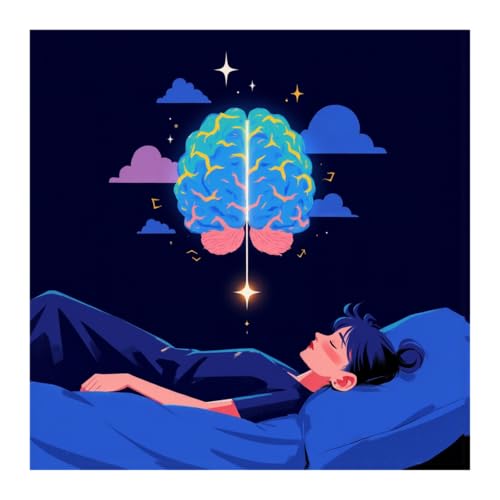
Dream Symbols and Universal Archetypes – The Shared Language of the Sleeping Mind
カートのアイテムが多すぎます
カートに追加できませんでした。
ウィッシュリストに追加できませんでした。
ほしい物リストの削除に失敗しました。
ポッドキャストのフォローに失敗しました
ポッドキャストのフォロー解除に失敗しました

Dream Symbols and Universal Archetypes – The Shared Language of the Sleeping Mind
-
ナレーター:
-
著者:
このコンテンツについて
This episode explores how dreams communicate through symbols and archetypes rather than literal images. Dream symbols—like falling, flying, water, mirrors, doors, or being chased—appear in cultures around the world because they reflect universal human emotions such as fear, hope, insecurity, and transformation.
The episode introduces Carl Jung’s idea of the collective unconscious, where universal archetypes like the Shadow, the Mother, and the Wise Old Man reside. These archetypes shape dream imagery across humanity. At the same time, dreams also contain personal symbols unique to each dreamer’s memories and experiences.
Symbols appear because the dreaming brain expresses emotion visually, compressing complex feelings into simple images. Understanding these symbols can offer insight into unresolved conflicts, desires, transitions, and emotional needs.
Overall, the episode shows that dream symbols form a shared psychological language—one that connects every human being, across continents and centuries, through the mysteries of the sleeping mind.