

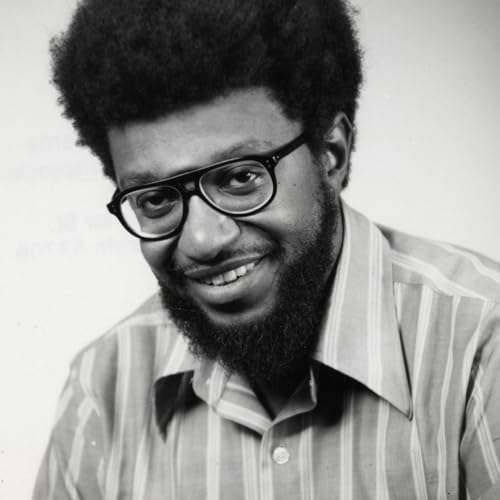
Children of the Rainbow (Rev. Dr. Finley Campbell, 1970)
カートのアイテムが多すぎます
カートに追加できませんでした。
ウィッシュリストに追加できませんでした。
ほしい物リストの削除に失敗しました。
ポッドキャストのフォローに失敗しました
ポッドキャストのフォロー解除に失敗しました

Children of the Rainbow (Rev. Dr. Finley Campbell, 1970)
-
ナレーター:
-
著者:
概要
Rev. Dr. Finley C. Campbell’s Children of the Rainbow is a stirring call to recognize difference as the foundation for genuine unity. Speaking in 1970, he argued that the presence of Black students on white campuses was never neutral—it was meant to be a shock, a confrontation, a reminder of America’s unfinished reckoning with slavery, segregation, and systemic racism. Their very existence in classrooms challenged the myth of “colorblindness,” insisting instead that difference must be acknowledged and valued, like the many colors of a rainbow. This confrontation opened doors to humility, awareness, and the possibility of deeper human connection.
Campbell went on to describe Black students as catalysts for educational and cultural transformation, demanding that Black history, literature, and art be integrated into mainstream learning. Their organizing created space not only for Black liberation but also for white students to confront the “Blackness” within themselves—the suppressed vitality and soul that society had long repressed. Finally, he placed Black student activism in a broader political frame: beginning with the liberation of Black people, but extending toward the liberation of all humanity. In his vision, the “Children of the Rainbow” are living witnesses against oppression, carriers of resilience, and heralds of a future where justice is shared across race, class, and nation.