Following the launch of the all new Mack Granite and Mack Keystone, we sit down with Lukas Yates, Chief Designer at Mack Trucks, to go behind the scenes of what it takes to design a truck from the ground up. Lukas explains how Mack design is built around real world function, not styling for styling’s sake, and how every exterior decision has to deliver on visibility, durability, cooling performance, and a truck that still looks right a decade later.
Lukas shares how his passion for design started early, from Hot Wheels and Pinewood Derby cars to transportation design school, and how internships with heritage brands shaped his approach to bringing legacy forward without copying the past. He also describes the constant collaboration between design, engineering, suppliers, and leadership to balance performance, cost, and quality without losing what makes a Mack a Mack.
Lukas discusses:
-What the Chief Designer role covers, how Mack exterior and interior teams work together, and why the guiding light is always function, including visibility, ingress and egress, and cooling performance
-His path into design, from early obsession with anything on wheels to learning the craft through intense design programs and internships that pushed skill, collaboration, and creativity
-How Mack design language is built, including bold, honest surfaces, strong architecture inspired structure, and creating a timeless look that is unmistakable from a distance
-The major challenges behind Granite and Keystone, including designing for extreme vocational versatility, packaging constraints like tire sizes and lighting, integrating sensors and driver aids cleanly, and the moment of seeing a truck you designed finally launch and hit the road
This episode is a look into the mindset and teamwork behind Mack’s newest vocational lineup, and why great truck design is equal parts identity, engineering, and relentless attention to the details drivers touch every day. What’s next?
Tune in weekly for new episodes!
Visit the Mack Shop to use your discount code:
https://mackshop.com/
Book a virtual truck tour!
https://www.macktrucks.com/live-tour/


 46 分
46 分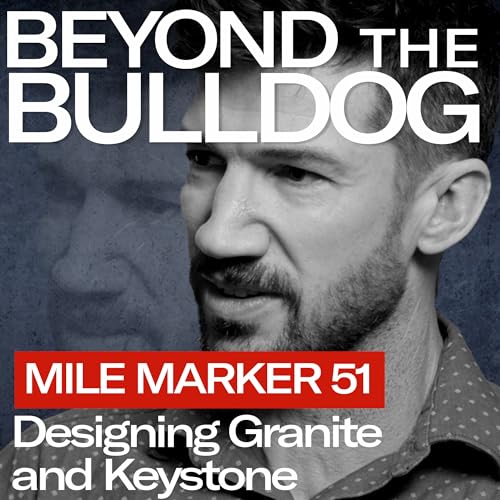 49 分
49 分 46 分
46 分 42 分
42 分 42 分
42 分 33 分
33 分 32 分
32 分 32 分
32 分