

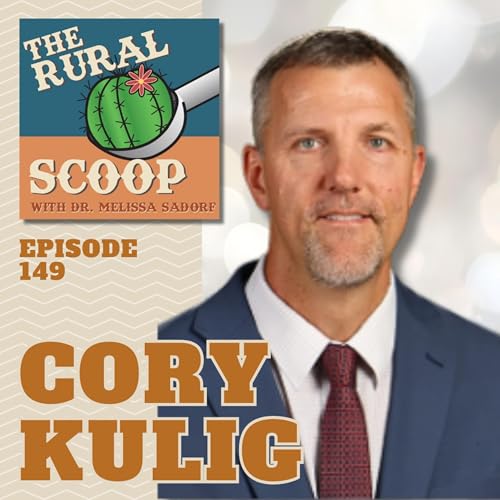
𝐇𝐨𝐰 𝐂𝐚𝐧 𝐑𝐮𝐫𝐚𝐥 𝐋𝐞𝐚𝐝𝐞𝐫𝐬 𝐃𝐫𝐢𝐯𝐞 𝐑𝐞𝐚𝐥 𝐈𝐧𝐬𝐭𝐫𝐮𝐜𝐭𝐢𝐨𝐧𝐚𝐥 𝐂𝐡𝐚𝐧𝐠𝐞? 𝟏𝟒𝟗 | 𝐂𝐨𝐫𝐲 𝐊𝐮𝐥𝐢𝐠
カートのアイテムが多すぎます
カートに追加できませんでした。
ウィッシュリストに追加できませんでした。
ほしい物リストの削除に失敗しました。
ポッドキャストのフォローに失敗しました
ポッドキャストのフォロー解除に失敗しました

𝐇𝐨𝐰 𝐂𝐚𝐧 𝐑𝐮𝐫𝐚𝐥 𝐋𝐞𝐚𝐝𝐞𝐫𝐬 𝐃𝐫𝐢𝐯𝐞 𝐑𝐞𝐚𝐥 𝐈𝐧𝐬𝐭𝐫𝐮𝐜𝐭𝐢𝐨𝐧𝐚𝐥 𝐂𝐡𝐚𝐧𝐠𝐞? 𝟏𝟒𝟗 | 𝐂𝐨𝐫𝐲 𝐊𝐮𝐥𝐢𝐠
-
ナレーター:
-
著者:
概要
𝐄𝐩𝐢𝐬𝐨𝐝𝐞 𝐒𝐮𝐦𝐦𝐚𝐫𝐲:
In this episode, Dr. Melissa Sadorf sits down with Cory Kulig to explore what it truly looks like to lead meaningful change in a rural school district. Rather than simply adopting new programs, Cory shares how thoughtful leadership decisions, community partnerships, and structural shifts have helped move his districts toward a more future-ready model.
Cory discusses the urgency behind rethinking traditional education, the importance of building teacher confidence during major instructional shifts, and how competency-based learning can empower students. He also highlights the role of emerging technologies, personalized learning, and real-world application in preparing students for a rapidly changing workforce.
This conversation offers practical insight for leaders navigating staffing challenges, tight budgets, and community expectations—while still keeping student ownership and engagement at the center.
𝐓𝐢𝐦𝐞𝐬𝐭𝐚𝐦𝐩𝐬:
00:00 Meet Corey Kulig
02:01 Career Path and Risks
03:35 Why Incremental Change Fails
05:24 Handling Pushback and Unlearning
07:04 Student Ownership Wins
08:40 Rural Constraints to Advantages
11:32 Messaging the Why
13:24 Personalized Learning Shift
17:16 Competencies and Feedback
18:38 Supporting Teachers to Risk
21:06 Scheduling Time to Explore
22:38 Community and Employer Partners
25:41 AI and Tool Vetting
27:19 Unlocking CTE with Schedules
29:29 Standards vs Compliance
32:00 Trust and Culture Building
36:39 Budgeting for Learning Return
38:57 Evidence Beyond Test Scores
41:54 Advice for Rural Leaders
43:36 Defining Rural Advantage
45:08 Closing and Call to Action
𝐂𝐥𝐨𝐬𝐢𝐧𝐠 𝐒𝐮𝐦𝐦𝐚𝐫𝐲:
Cory Kulig’s work demonstrates that meaningful school transformation doesn’t begin with programs—it begins with leadership clarity, trust, and a willingness to rethink long-standing structures. By focusing on student ownership, teacher support, and community alignment, his districts are building systems designed for the future rather than the past.
For rural leaders especially, this episode is a powerful reminder: constraints can become catalysts when paired with intentional design and courageous leadership.