『Miami's Getting Spicy: Why Everyone's Suddenly Obsessed With Magic City Dining』のカバーアート

Miami's Getting Spicy: Why Everyone's Suddenly Obsessed With Magic City Dining

Miami's Getting Spicy: Why Everyone's Suddenly Obsessed With Magic City Dining

無料で聴く

ポッドキャストの詳細を見る
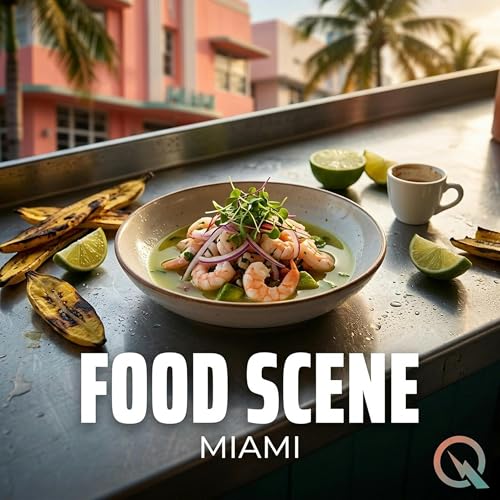
Food Scene Miami Miami’s New Taste Wave: Why the Magic City Matters More Than Ever In Miami, dinner no longer starts with a menu; it starts with a mood. Across the city, a new generation of restaurants is turning the tropical metropolis into one of the most compelling culinary playgrounds in the United States, powered by Latin, Caribbean, and coastal influences that feel distinctly, irresistibly Miami. In neighborhoods like Wynwood and the Design District, listeners will find tasting menus that flirt with fine art. Chefs are plating crudos that taste like the Atlantic in high definition, pairing local snapper and grouper with citrus so bright it almost hums, and dressing them with chile oils that nod to both Peruvian cevicherías and Mexican marisquerías. At ambitious new spots along Biscayne Boulevard and in Brickell, wood-fired parrillas send up curls of smoke scented with mojo, guava, and sugarcane, transforming traditional asado into something sultrier and more tropical. The hottest openings lean into mash‑ups that could only make sense in Miami. Modern Cuban‑inspired bistros rework ropa vieja into delicate stuffed pastas, or press lechón into crisp croquetas showered with shaved Manchego and local honey. New Caribbean‑driven counters are turning out jerk‑spiced fried chicken sandwiches nestled in soft Cuban bread, the heat cooled with tangy key lime slaw. Even sushi bars are going Miami‑style, crowning nigiri with thin slices of sweet Florida stone crab when it’s in season. What truly sets the city apart is its relationship with ingredients. Florida avocados, local citrus, fresh corn, and just‑caught fish from nearby waters anchor menus, while plantains appear everywhere: twice‑fried into golden tostones, caramelized into silky maduros, or transformed into crisp “buns” for messy, glorious sandwiches. Cafecito culture bleeds into dessert programs, where pastelito flavors show up in ice creams and tres leches becomes a canvas for tropical fruits like guava and mango. The festival circuit reinforces Miami’s status as a culinary stage. Large‑scale food and wine events draw marquee chefs from around the world to cook alongside local talent, while smaller neighborhood festivals celebrate everything from croquetas to arepas, turning whole streets into open‑air tasting rooms where salsa, smoke, and the scent of grilled corn mingle in the humid night air. What makes Miami’s culinary scene unique is its fearless hybridity and its refusal to treat tradition as a museum piece. The city cooks like it lives: loud, sunny, a little decadent, and wildly cosmopolitan. For food lovers paying attention, Miami isn’t just a vacation town anymore; it’s one of the most exciting places to taste where American dining is headed next. Get the best deals https://amzn.to/3ODvOta
adbl_web_anon_alc_button_suppression_t1
まだレビューはありません