

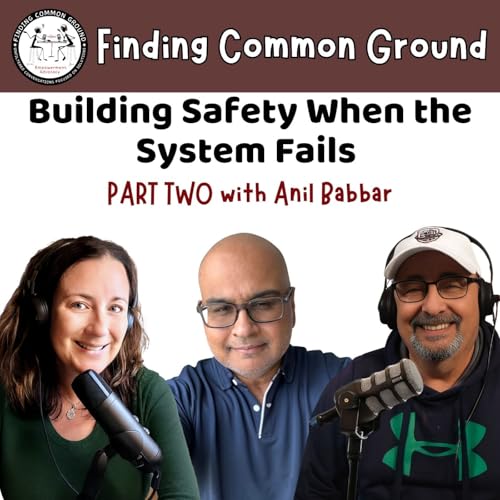
Building Safety When the System Fails (Part 2)
カートのアイテムが多すぎます
ご購入は五十タイトルがカートに入っている場合のみです。
カートに追加できませんでした。
しばらく経ってから再度お試しください。
ウィッシュリストに追加できませんでした。
しばらく経ってから再度お試しください。
ほしい物リストの削除に失敗しました。
しばらく経ってから再度お試しください。
ポッドキャストのフォローに失敗しました
ポッドキャストのフォロー解除に失敗しました

Building Safety When the System Fails (Part 2)
-
ナレーター:
-
著者:
概要
Part 2 shifts from systems analysis to step-by-step strategy. This is a must-listen for any family navigating OPWDD services, residential care, or crisis supports.Anil breaks down the practical actions parents can take immediately:
• How to document concerns so they hold up legally
• Why organization, timelines, and written notice matter
• When to speak publicly and when to wait
• How criminal cases and civil cases intersect
• What “zealous advocacy” actually looks like in practiceWe discuss New York’s one-party consent law, evidence collection, and how to avoid unintentionally damaging your own case while trying to protect your child.We also explore:
• The role of the IDDO Ombuds program and other state resources
• How to support good DSPs while removing harmful ones
• Burnout, staffing realities, and why calling is not enough without support
• Parent-led housing models, economies of scale, and the funding inequities between self-direction and certified settings
• The vision for Safe Care homes and a Foundation for Hope to close funding gaps for families without financial meansThis episode brings us back to the question every family carries:
What happens to our children when we are no longer here?The answer isn’t waiting for the system to fix itself. It’s building structures, communities, and safeguards now.We close with a reminder that defines this entire series:
No one is coming to save us. We are the cavalry.
Become a supporter of this podcast: https://www.spreaker.com/podcast/finding-common-ground--6199849/support.
Recorded at ROC Vox Recording & Production Studios in Rochester, NY. Learn more at rocvox.com.
まだレビューはありません