

दुर्गुणानां दर्शनम्
カートのアイテムが多すぎます
カートに追加できませんでした。
ウィッシュリストに追加できませんでした。
ほしい物リストの削除に失敗しました。
ポッドキャストのフォローに失敗しました
ポッドキャストのフォロー解除に失敗しました

दुर्गुणानां दर्शनम्
-
ナレーター:
-
著者:
概要
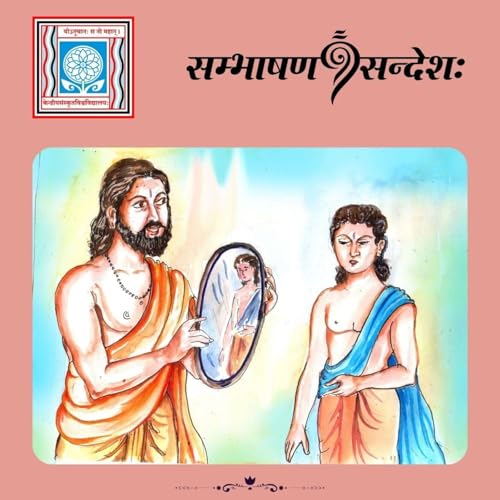
कस्यचन शिष्यस्य अध्ययनशीलतां सेवाभावं च दृष्ट्वा सन्तुष्टः गुरुः गुरुकुलात् निर्गमनकाले तस्मै एकं दिव्यं दर्पणं दत्तवान् । पुरतः स्थितस्य जनस्य मनोभावान् दर्शयितुं सामर्थ्यम् आसीत् तस्य दर्पणस्य । तस्य सामर्थ्यं परीक्षितुम् इच्छन् सः आदौ गुरोः पुरतः गृहीतवान् । तत्र मोहाहङ्कारक्रोधादयः तेन लक्षितः । ततः सः मित्राणां पुरतः, मातपित्रोः पुरतः च तं दर्पणं गृहीतवान् । तेन बहवः दुर्गुणाः दृष्टाः । एतस्मात् नितरां खिन्नः सः गुरुकुलं गत्वा स्वस्य अनुभवं निवेदितवान् । तदा गुरुः शिष्यस्य पुरतः दर्पणं गृहीतवान् । शिष्येण बहवः दुर्गुणाः दृष्टाः । तदा गुरुः अवदत् 'स्वीयान् दुर्गुणान् ज्ञात्वा तेषाम् अपसरणाय प्रयासः करणीयः भवता इति उद्देशेन मया अयं दर्पणः दत्तः आसीत् । स्वस्य दुर्गुणानां ज्ञाने अपसारणे च अवधानं भवतु' इति ।
(“केन्द्रीयसंस्कृतविश्वविद्यालयस्य अष्टादशीयोजनान्तर्गततया एतासां कथानां ध्वनिप्रक्षेपणं क्रियते”)
A guru, pleased with his disciple’s diligence and service, gifted him a divine mirror when he left the gurukula. This mirror could reveal the inner thoughts and qualities of anyone standing before it. The disciple tested it first on his guru and saw traits like delusion, pride, and anger. He then tried it on his friends and parents, and again saw many faults. Saddened, he returned to the gurukula and shared his experience. The guru then held the mirror before the disciple himself, and the disciple saw his own faults. The guru explained: ‘I gave you this mirror so that you may recognize your own shortcomings and strive to remove them. Focus on self-correction rather than judging others’.